Why Launceston Is Attracting Boutique Businesses in 2026 — And Whether the Numbers Actually Support It
Founder, Locatalyze
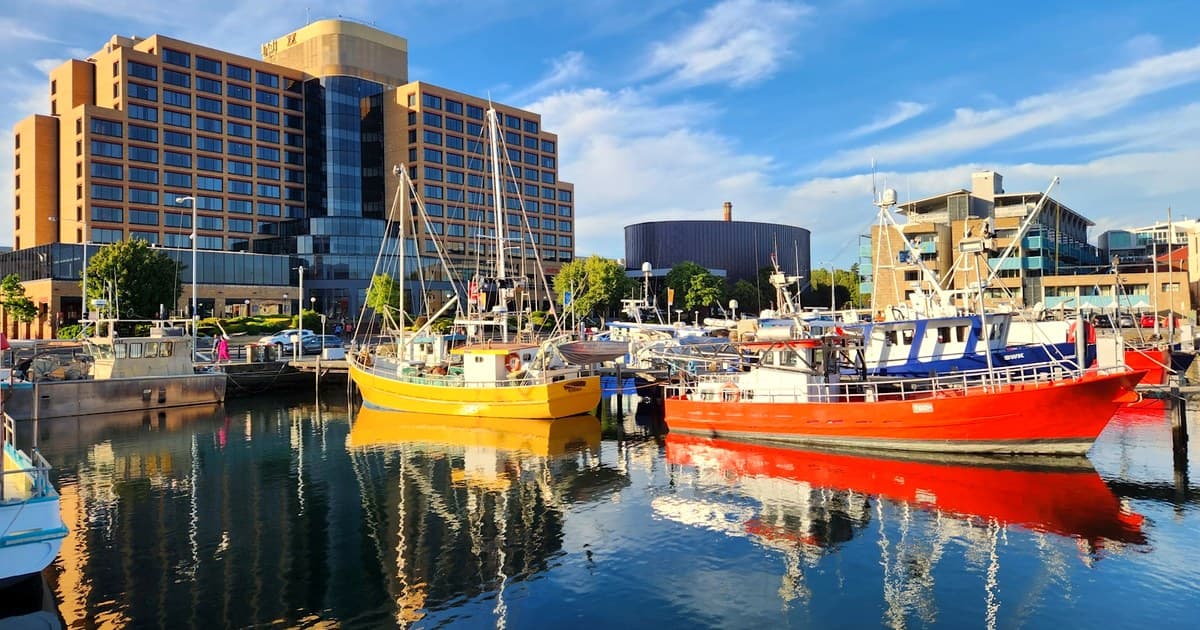
Launceston has quietly become one of Australia's most interesting food and hospitality cities relative to its size. The Tamar Valley wine region on its doorstep — one of Australia's most highly regarded cool-climate wine corridors — gives the city a drinks culture foundation that cities ten times its size would envy. The Princess Theatre and cultural precinct drive arts and entertainment traffic. MONA's gravitational pull from Hobart has extended enough that the broader Tasmania food narrative benefits Launceston's hospitality scene, attracting visitors who build itineraries around both cities. And Launceston's permanent population — approximately 100,000 — is educated, food-literate, and increasingly accustomed to excellent hospitality after a decade of quality improvement. The boutique business wave is real. The commercial question is whether the economics have kept pace with the narrative in ways that still allow new operators to enter profitably.
The Tamar Valley Effect: What It Actually Delivers
The Tamar Valley wine region produces approximately 25% of Tasmania's wine and is home to over 30 cellar doors within a 30-minute drive of Launceston's CBD. This is not a background fact for a hospitality analysis — it is one of the most commercially significant geographic assets a regional city can have. A wine region this close to a city centre creates: a domestic tourism circuit that brings wine visitors through Launceston as a base, a natural wine programme for any city restaurant that doesn't exist in comparable markets, a food-and-wine culture in the permanent resident demographic, and a media and publication profile that generates interest from the national hospitality audience.
The Launceston operators who have built the strongest businesses consistently leverage the Tamar Valley connection — either through sourcing (local wines prominently featured, Tasmanian produce story) or through positioning (as the food-and-wine city base for Tamar Valley exploration). This is a differentiation advantage that operators from Melbourne or Sydney cannot easily replicate and that Launceston competitors who don't explicitly deploy are leaving on the table.
30+
Cellar doors within 30 minutes of Launceston CBD — unmatched proximity for a 100,000-person city
100,000
Launceston metropolitan population — and growing via Hobart overflow migration
$1,800–$4,200
All-in weekly rent range for food and beverage — below Hobart premium but rising
The Rent Trajectory: Moving Faster Than the Market Warrants
Launceston's commercial rents have increased more rapidly than its underlying market growth over the past 3 years, driven by the Tasmania food narrative and operator interest from the mainland. Prime Brisbane Street and the central precinct positions have moved from $1,800–$2,800 per week to $2,800–$4,200 per week all-in — an increase of 40–50% in 36 months. This rent escalation is ahead of the revenue growth that has occurred in the market, creating a narrower margin window for new entrants than the narrative suggests.
The practical consequence: operators who assessed Launceston in 2022 and found compelling economics need to reassess in 2026 with updated rent data. The opportunity is still real — but it requires more careful rent negotiation and more precise format targeting than it did 3 years ago.
The Cold Climate Variable: Launceston's Specific Commercial Seasonal Pattern
Launceston has a cold climate by Australian standards. Winter (June–August) sees average temperatures of 3–13°C with regular rainfall. This creates a specific seasonal dynamic for outdoor-dependent formats that operators from warmer markets consistently underestimate. Outdoor dining is a seasonal asset in Launceston, not a year-round one. Concepts that are designed around outdoor atmosphere need to generate viable revenue when that outdoor component is unusable.
The cold climate creates genuine demand for the same warming, intimate hospitality formats that work in Hobart — fire-adjacent dining, rich small-plate formats, the natural wine and local produce concept that Launceston's Tamar Valley positioning naturally supports. These are not compromises for winter — they are the formats that best capitalise on what makes Launceston distinctive.
Where the Genuine Gaps Are in 2026
Launceston commercial hospitality gaps worth evaluating:
VERDICT: GO — for Tamar Valley-focused formats and neighbourhood café
**GO for:** Wine-forward concepts that genuinely leverage the Tamar Valley geography, neighbourhood café in higher-income residential suburbs, quality small-plate dinner with local produce story. **Rent discipline:** Negotiate hard. Launceston rent has outpaced revenue growth. Target $2,000–$3,200/week all-in and walk from anything above $4,000 unless the format generates premium combined food-and-beverage revenue. **The Tasmania advantage:** The national narrative around Tasmania food culture is still building. Operators who establish themselves in Launceston now benefit from a rising tide — but only if they're still alive in 3 years, which requires sound rent economics today.
Locatalyze covers Launceston with Tamar Valley tourism demand analysis, cold climate seasonal adjustments, and precinct-specific competitive density mapping.
Analyse my Launceston location → →Related reading
About the author
Prashant GuleriaFounder, Locatalyze
Prashant built Locatalyze to separate compelling market narratives from the commercial data that determines whether a business will succeed.
Tools first — then a full report for your address
Free rent, viability, and break-even checks. Upgrade when you are ready for competitors, map, and numbers for a specific site.
No signup required for tools