Newcastle Is Having Its Moment. Here's Whether the Commercial Reality Matches the Hype.
Founder, Locatalyze
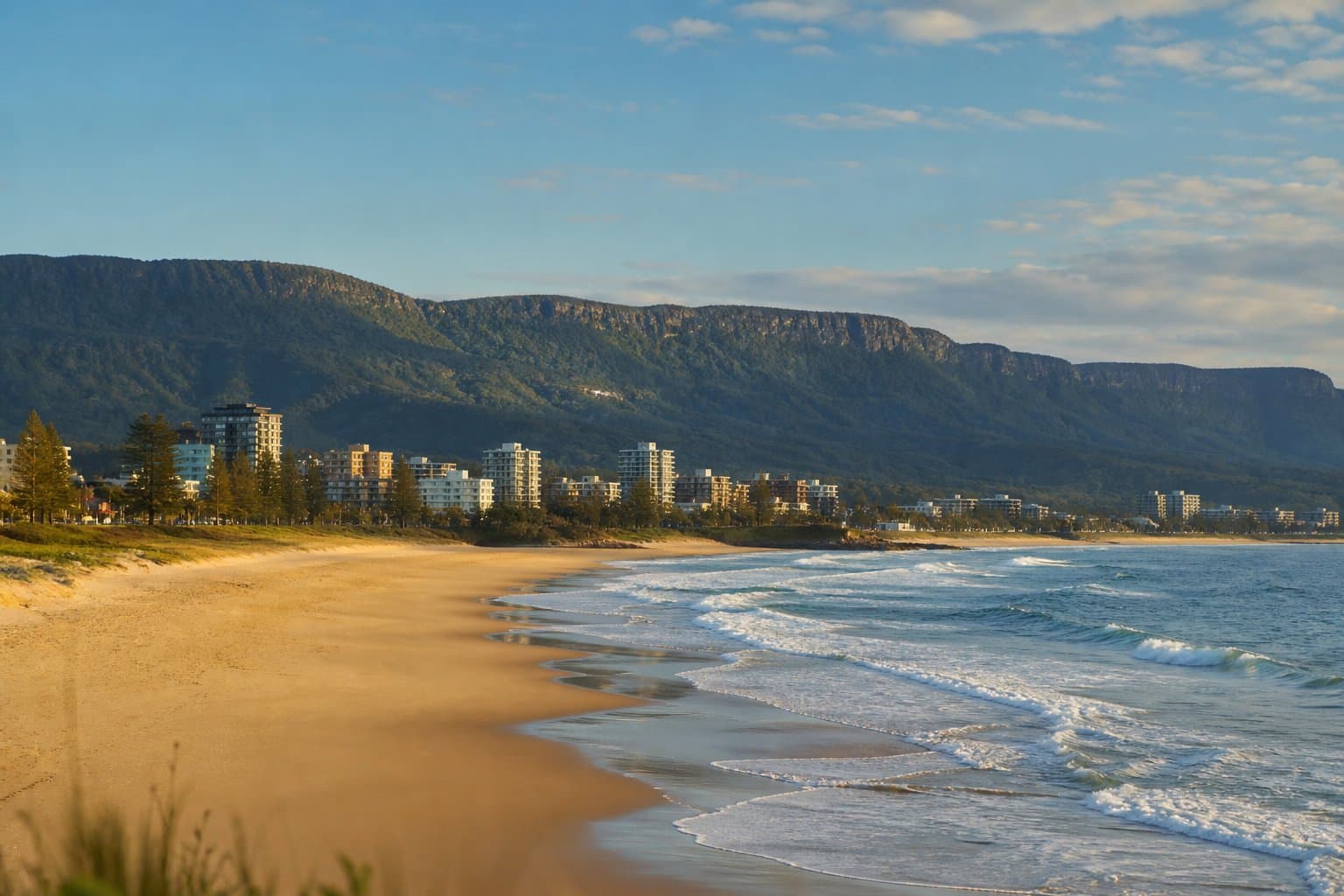
Newcastle has spent the last five years being discovered, and the people discovering it keep using the same words. Authentic. Unpretentious. Affordable compared to Sydney. A city where creative businesses can actually survive and operators with genuine product can build loyal followings without the financial brutality of the capital city market. These descriptions are not wrong exactly. Newcastle does have an authenticity that is increasingly rare in Australian cities being gentrified by Instagram aesthetics and venture capital. The food scene has produced operators and concepts that are genuinely excellent by any national benchmark. The beach, the harbour, the art scene, the population of 400,000 — all of it is real and all of it is compelling. What is also real, and what the breathless discovery narrative consistently underweights, is that Newcastle has been having its moment for long enough that the early-mover economics have materially changed, that the rents have caught up with the reputation faster than the revenue has grown to justify them, and that the demographic split between the new creative professional class and the original working-class city creates a specific kind of market complexity that operators who arrive from Sydney or Melbourne without doing the granular work consistently misread.
The Newcastle That Actually Exists vs. The One Being Sold
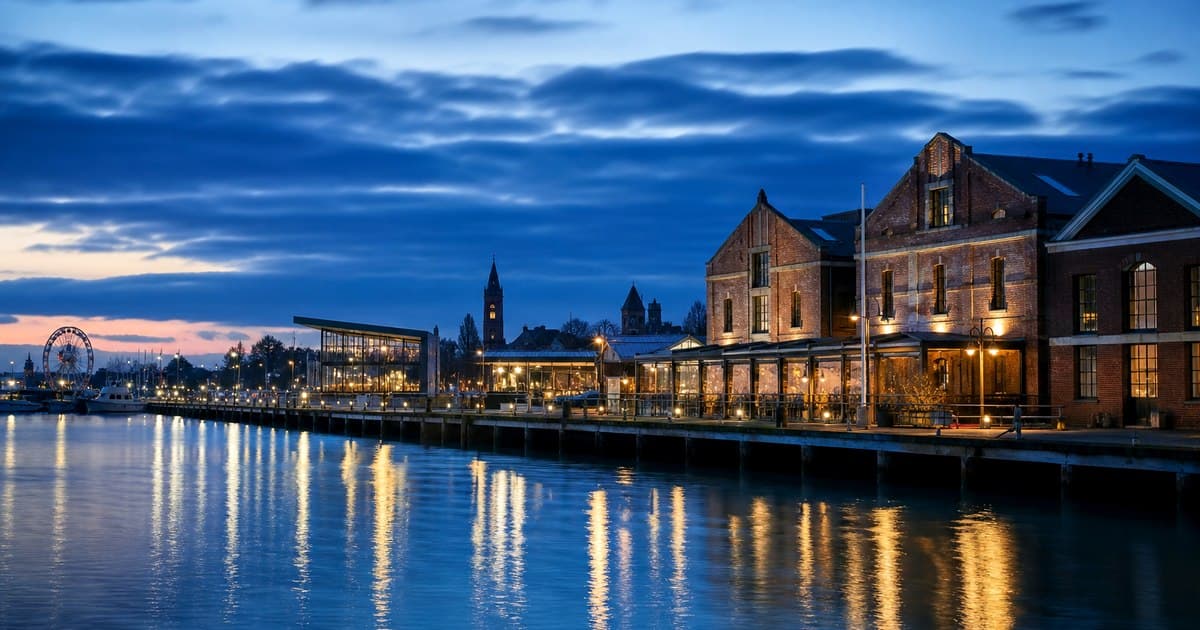
The Newcastle being written about in the national food and lifestyle press is a specific, curated version of the city. It is the inner-city precincts — Newcastle East, Darby Street, the Honeysuckle waterfront development — where the creative professional demographic has concentrated and where the hospitality scene has invested in quality. This version of Newcastle is real and it is genuinely excellent.
The Newcastle that makes up the majority of the city's 400,000 population is different. It is suburban, it is spread across a large geographic area, it has household incomes that are solid but not exceptional (median around $78,000), and it has established hospitality habits — clubs, pubs, family restaurants, RSLs — that don't automatically transfer loyalty to new quality operators regardless of product quality. These two Newcastles coexist in the same city and the business case for any specific location depends almost entirely on which version of Newcastle is your catchment.
400,000
Newcastle metropolitan population — but divided between inner-city creative and outer suburban traditional demographics
$2,800–$5,600
All-in weekly rent for Hunter Street and inner-city food and beverage positions
+22%
Inner-city Newcastle rent increase 2021–2026 — faster than revenue growth in most categories
The Rent That Nobody Was Talking About Three Years Ago
The Newcastle early-mover window was genuinely extraordinary. Operators who found positions on Darby Street or in the East End precincts in 2018–2021 were paying $1,400–$2,200 per week for spaces that had genuine foot traffic and a demographic that was arriving with Sydney-calibrated hospitality expectations. Those economics were genuinely excellent and the businesses that established during that period built commercial foundations that are now very hard to replicate at 2026 rent levels.
By 2026, the best inner-city positions have moved to $3,200–$5,600 all-in. Hunter Street Mall — which has benefited from significant urban renewal investment and has genuine pedestrian density during business hours — sits at $3,800–$5,200 for quality food and beverage tenancies. These rents are now in the range where the unit economics require honest scrutiny rather than the assumption that "lower than Sydney" equals "affordable."
Beaumont Street: The Answer Most People Miss
Hamilton's Beaumont Street is Newcastle's genuinely undervalued commercial hospitality corridor and I will be direct about why I think this: it has the demographic quality of Darby Street at 40–50% of the rent, and the operators who have established there in the past three years have built some of Newcastle's most commercially resilient businesses as a result.
Beaumont Street serves a residential catchment that includes Hamilton and Broadmeadow — high-income owner-occupier households, established professionals, the kind of demographic that returns to their local restaurant twice a month for two years rather than once and then moves on. This is the demographic foundation that the inner-city tourist-facing positions don't build as naturally. The foot traffic volume is lower than the Hunter Street Mall. The conversion quality is significantly higher.
The University and Hospital Effect
The University of Newcastle and the John Hunter Hospital complex between them employ and house a substantial population that represents one of Newcastle's most reliable commercial demographics for food and beverage. University staff and hospital workers constitute a consistent, year-round, moderate-to-high income consumer base with regular lunch habits and a genuine appreciation for quality food that exceeds what their daily routines force them to eat.
The commercial strips within easy walking distance of these two institutions — particularly the Jesmond area and the suburb of New Lambton — are underserved relative to the captive professional demographic they sit adjacent to. Lower rents than the inner city, more reliable year-round patronage, and less competition from the established inner-city operators. This is the category of Newcastle location that operators undervalue because it lacks the Instagram appeal of Darby Street or the waterfront views of Honeysuckle.
The Verdict
VERDICT: GO — but the early-mover window has closed on the obvious positions
Newcastle is a genuine, viable, commercially sound hospitality market in 2026. The food culture is real, the creative professional demographic is established, and the population is sufficient to sustain quality operators across multiple precincts. But the "cheaper Sydney" narrative is no longer as accurate as it was in 2020. The best inner-city positions now command rents that require the same analytical rigour as comparable Sydney locations. **GO for:** Hamilton / Beaumont Street, Jesmond / university corridor, and quality formats in the residential inner-city suburbs at $1,800–$3,200 rent. **CAUTION on:** Hunter Street Mall at $4,000+ and Honeysuckle at $4,500+ unless your format is specifically calibrated for high-volume or significant tourist supplement.
Locatalyze covers every Newcastle precinct — demographic profiling by catchment, competitive density by meal occasion, and rent benchmarking that reflects the 2026 market, not the 2020 one.
Analyse my Newcastle location → →Related reading
About the author
Prashant GuleriaFounder, Locatalyze
Prashant built Locatalyze to give operators in every Australian market — including the ones having a moment — the commercial data to make sound decisions.
Tools first — then a full report for your address
Free rent, viability, and break-even checks. Upgrade when you are ready for competitors, map, and numbers for a specific site.
No signup required for tools