L
Locatalyze
Use Case Guide

How to Choose the Best Location for a Retail Store

In retail, location is the product. The best inventory cannot save a store on the wrong street. But the right location — with strong foot traffic, aligned demographics and manageable rent — can sustain even an average range.

55%

of retail failures attributed to poor location or rent

1,000+

pedestrians/hour needed for viable retail strip

15%

max healthy rent-to-revenue ratio for retail

500m

radius where competitors directly compete for same traffic

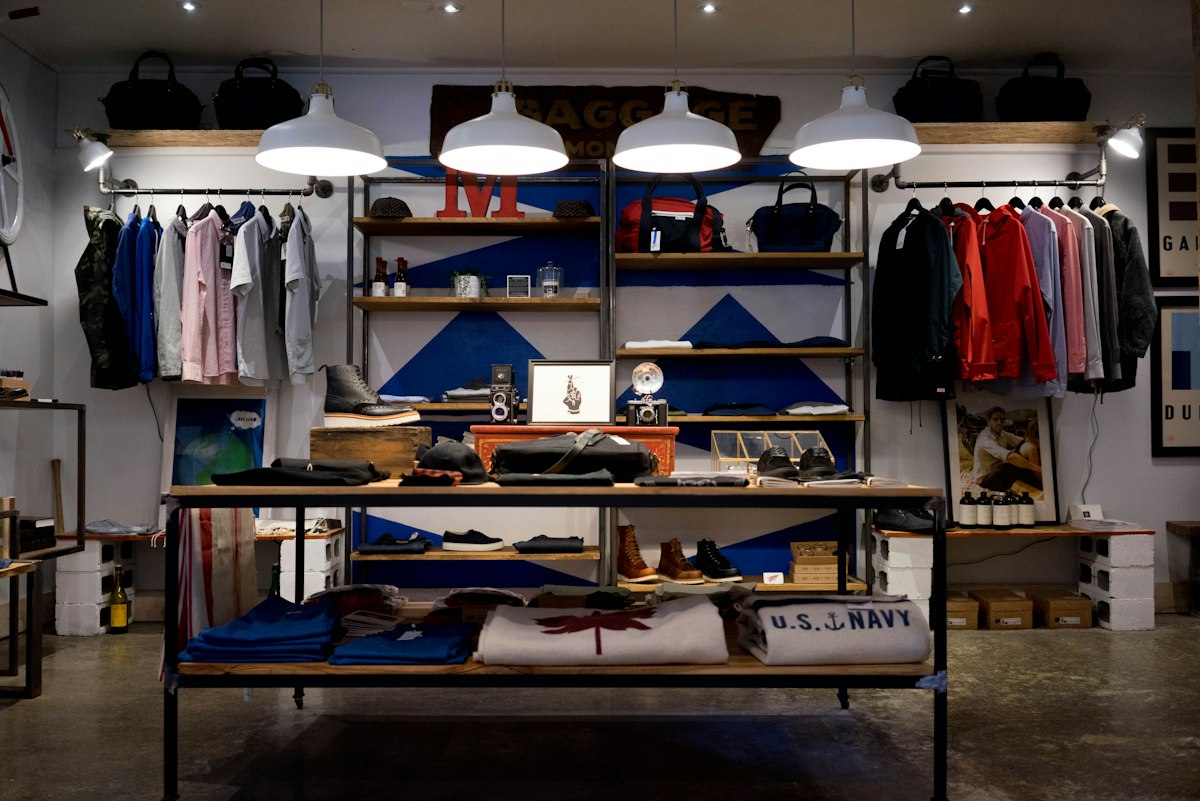
Retail store

The right retail strip sees 1,000+ pedestrians per hour. Every 100 people per hour is worth roughly 1–2 additional transactions.

Why retail is the most location-sensitive business

Foot traffic is your product. Choose accordingly.

Retail is a volume game. Unlike a gym or specialist service, most retail businesses cannot easily market their way to customers — they depend on people already walking past making an impulse decision to enter. That dependency on foot traffic means location is not just important in retail. It is essentially the business model.

The data is clear: over 55% of retail failures cite location or rent as a contributing factor. The most common pattern is an operator who chose a premises based on aesthetics or rental appeal, without counting the actual foot traffic or verifying whether the demographics matched their price point. Both mistakes are entirely avoidable with proper pre-lease analysis.

5 factors that determine retail location viability

Pedestrian foot traffic volume

Retail depends on volume. Count pedestrians on a Saturday between 11am and 1pm — peak weekend browsing time. A viable retail strip needs 500+ people per hour. Under 200 per hour is very difficult for most independent retail concepts.

Anchor store proximity

Anchor tenants — Woolworths, Chemist Warehouse, major pharmacy chains — generate habitual foot traffic that benefits nearby retailers. Being within 100–200m of a strong anchor store is one of the most reliable foot traffic multipliers available to independent retail.

Spend demographics

Median household income, age profile and household type determine whether passing traffic matches your price point. ABS Census data by suburb gives you this profile. A $120 average transaction concept does not work in a suburb with a $65K median income.

Rent-to-revenue ratio

Retail can sustain slightly higher rent ratios (10–15%) than food businesses because labour costs are lower. But above 18%, the margin erosion becomes severe. Always model rent as a percentage of realistic weekly revenue — not an absolute dollar amount.

🪟

Street vacancy rate

Walk the full retail strip. Count vacant or for-lease premises. More than 15% vacancy signals declining demand or oversupply. A healthy retail strip has low vacancy and active trading from its tenants. High vacancy often precedes a broader area decline.

Retail market data for Australia 2026

$380B

Annual Australian retail industry revenue

ABS 2025

2.1%

Annual retail industry growth rate

IBISWorld 2025

1,000+

Pedestrians/hour on high-performing retail strips

Industry benchmark

10–15%

Healthy rent-to-revenue ratio for retail

Industry benchmark

0.5–2%

Walk-in capture rate for most retail stores

Industry estimate

500m

Critical competition radius for street retail

Pedestrian behaviour research

SWOT: How location shapes your retail outlook

Strengths

High pedestrian volume from anchor stores nearby

Demographics precisely matched to price point

Low vacancy rate signals healthy street demand

Corner position with dual visibility

Weaknesses

Premium locations carry premium rents

Online retail continues to pressure in-store volume

Seasonal variation in outdoor shopping strips

Limited differentiation if adjacent to similar retailers

Opportunities

Suburb with high income but no quality equivalent option

Village strip with loyal community customer base

Gentrifying suburb with rising income demographics

Category underserved within 1km catchment

🚨Threats

Online pure-play competitor with lower price point

Anchor tenant closing and removing passive traffic

Street decline due to new development diverting foot traffic

Rent increase at review above sustainable level

What to look for

500+ pedestrians/hour on Saturday 11am–1pm

Anchor store (supermarket, pharmacy) within 200m

Demographics matched to your price point

Low vacancy rate on the street (under 10%)

Strong window display potential and signage rights

Complementary retailers nearby (not direct competitors)

Accessible public transport within 300m

Red flags — walk away

Under 200 pedestrians/hour at peak weekend time

Rent above 18% of projected weekly revenue

High vacancy rate on surrounding street

No anchor tenant or foot traffic driver within 300m

Demographics significantly misaligned with price point

Declining shopping centre with visibly falling traffic

Multiple direct competitors immediately adjacent

What matters most to you when choosing a retail location?

How Locatalyze helps retail store owners

Paste any Australian address and get foot traffic scoring, demographic analysis, competition mapping and a full financial model in 30 seconds.

Pedestrian volume scoring for peak trading windows

Demographic match to your product price point

Rent-to-revenue modelling with your numbers

Anchor store and competitor proximity analysis

GO / CAUTION / NO verdict in 30 seconds

Analyse my retail location free →

Browse other business types →

Cafes Restaurants Gyms Takeaway All Types