L
Locatalyze
Use Case Guide

How to Choose the Best Location for a Takeaway Business

Takeaway is one of the most location-sensitive food formats in Australia. Lunch foot traffic, residential density for delivery, and cuisine gap analysis all drive viability — and each one requires a different analysis methodology.

$12B+

Annual Australian takeaway and delivery revenue

3–5km

Typical delivery platform radius from kitchen

12–1pm

Peak window for office lunch trade

50%

Of takeaway orders now placed via app

Takeaway food

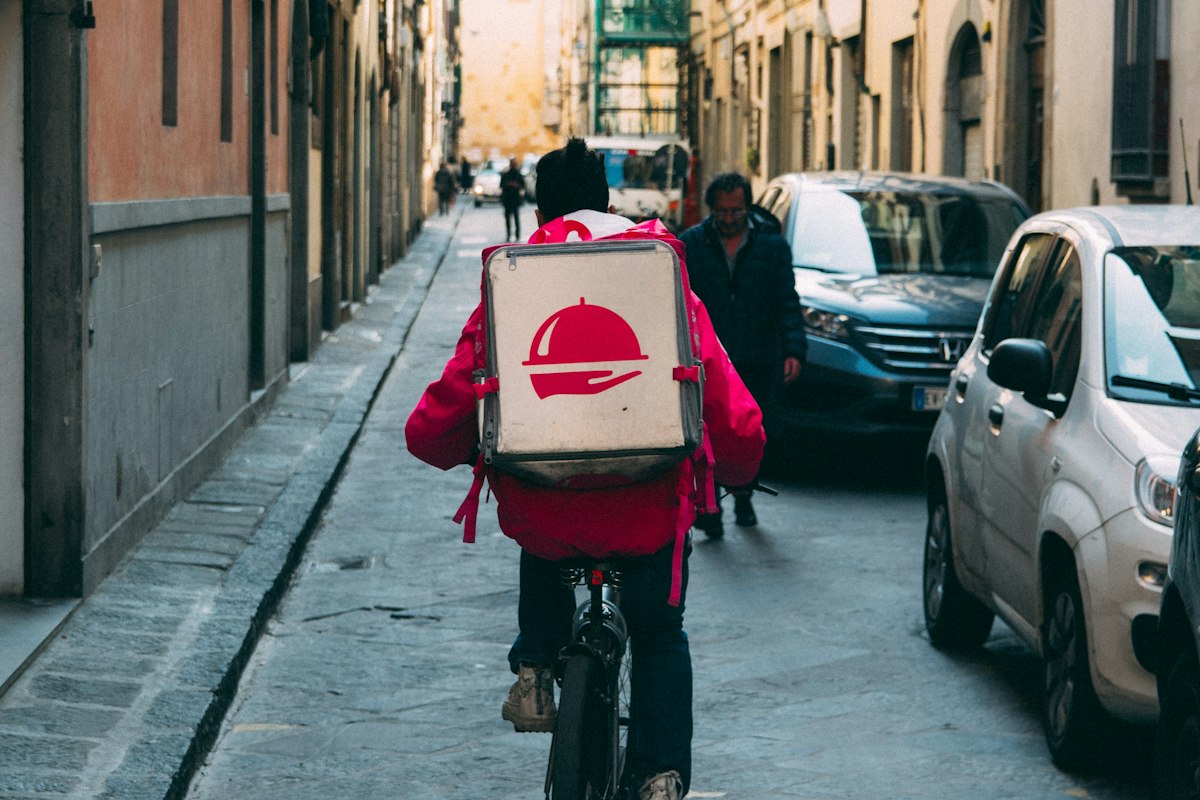
For takeaway, the delivery zone households are as important as the people walking past. Map both before you commit.

The hybrid location model: walk-in plus delivery

Takeaway businesses now operate two revenue models simultaneously: walk-in customers from the street and delivery orders from a 3–5km residential radius. This means your location analysis has two separate variables to optimise. The walk-in model needs office density and lunch foot traffic. The delivery model needs residential household density and cuisine gap analysis within your delivery zone.

A takeaway on a busy lunch strip with 8,000 households within 3km is operating at full advantage. A takeaway on a quiet back street with 3,000 households in its delivery zone is dependent almost entirely on app-based ordering from a limited pool. The difference in revenue ceiling between these two locations is enormous — and entirely predictable before you sign.

5 factors that determine takeaway location viability

Office density for lunch trade

The 12–1pm lunch rush is where most takeaway businesses make their weekday revenue. Offices within 500m — particularly large employers — are the most reliable source of high-frequency lunch customers. Check the ABS worker population data for your suburb.

Residential density for delivery

Map your 3km delivery radius and count households. Under 3,000 households means delivery-only is very difficult to sustain. 6,000–10,000 is a strong delivery opportunity. 10,000+ with good cuisine positioning is excellent.

Cuisine gap analysis

Open UberEats and search your cuisine category in your suburb. How many direct competitors are already serving that area? An underserved cuisine in a dense residential suburb is a genuine opportunity. An overcrowded category is not.

🛵

Rider access and logistics

Easy access for delivery riders matters more than most takeaway owners realise. A side street with a loading zone or easy pull-in is better than a main road with no stopping. Rider frustration with difficult pickup locations leads to lower ratings and fewer orders.

Rent vs delivery revenue ceiling

Unlike dine-in businesses, takeaway can operate from lower-rent premises. You do not need shopfront prestige. A premises at $2,000–$2,500/month with good kitchen infrastructure and strong delivery zone density often outperforms a premium $4,500/month location.

Australian takeaway and delivery data 2026

$12B+

Annual takeaway and delivery revenue

IBISWorld 2025

50%

Orders placed via delivery app

Industry estimate 2026

3–5km

Standard platform delivery radius

UberEats/DoorDash

12–1pm

Peak revenue window for office-adjacent locations

Operator data

5–7pm

Peak delivery window for residential locations

Operator data

8–12%

Healthy rent-to-revenue ratio for takeaway

Industry benchmark

What to look for

Office density within 500m for lunch trade

6,000+ households within 3km delivery zone

Underserved cuisine category in the area

Easy rider access — loading zone or side street

Commercial kitchen infrastructure already in place

Rent under $3,500/month for delivery-optimised model

Strong delivery platform coverage in suburb

Red flags — walk away

Under 3,000 households within 3km delivery radius

No office density for weekday lunch trade

Cuisine category with 5+ competitors in delivery zone

Difficult rider access on main road with no stopping

Rent above 15% of projected combined revenue

Suburb with low delivery platform ordering behaviour

What matters most when choosing a takeaway location?

How Locatalyze helps takeaway operators

Paste any Australian address. Get delivery zone household mapping, cuisine saturation analysis, office density scoring and a full financial model in 30 seconds.

Household density mapping in 3km delivery zone

Office worker density within 500m

Cuisine saturation analysis in delivery zone

Revenue model for walk-in plus delivery combined

GO / CAUTION / NO verdict in 30 seconds

Analyse my takeaway location free →

Browse other business types →

Cafes Restaurants Retail Stores Gyms All Types