Running a Business in Broome: Seasonal Goldmine or Risky Bet? The Full Data Picture
Founder, Locatalyze
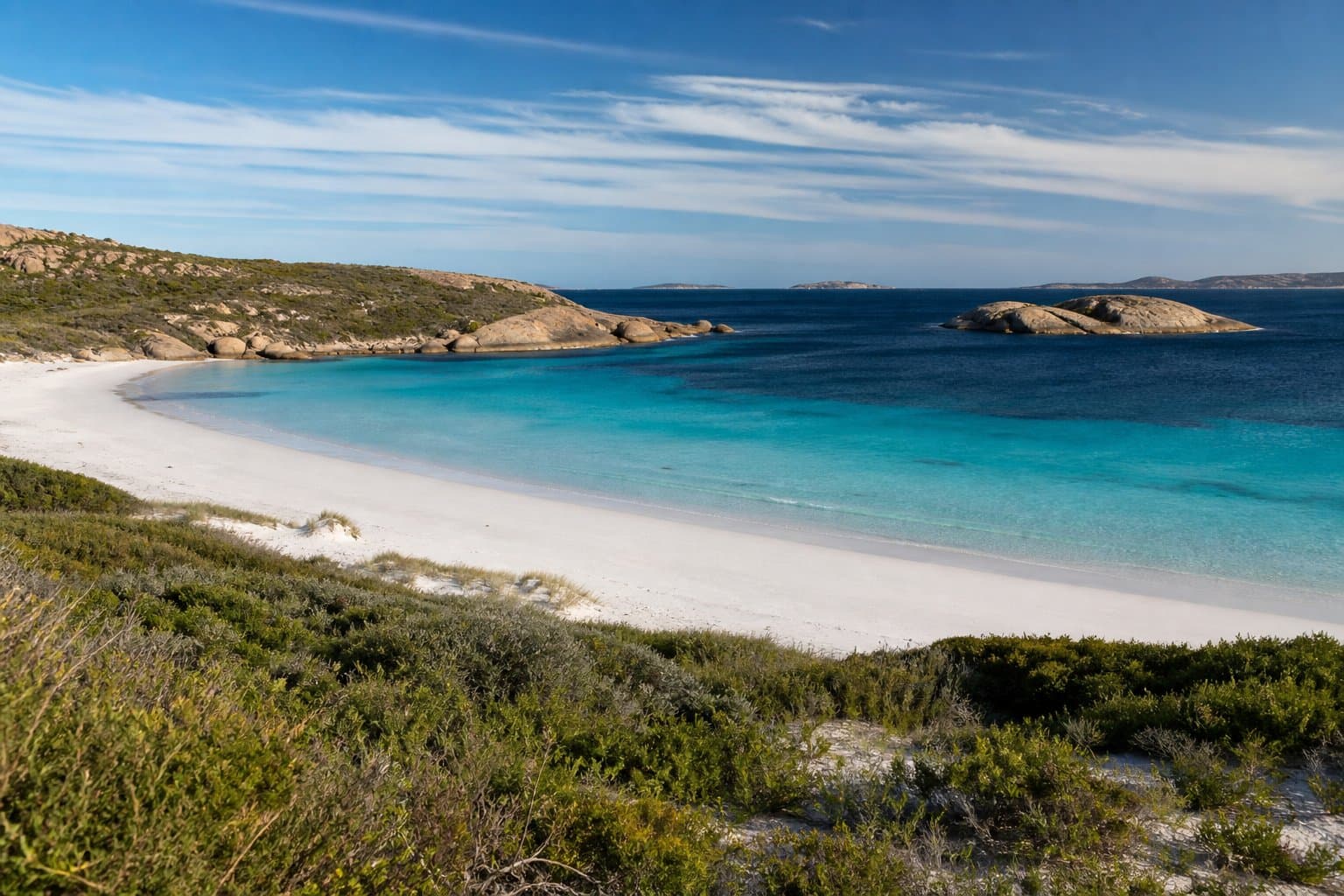
Cable Beach at sunset. The Staircase to the Moon. A pearling industry heritage that gives Broome a cultural identity unlike any other Australian coastal town. And from May to September, one of the most extraordinary concentrations of tourist activity that any regional Australian town can claim — a dry season that generates revenue density comparable to inner-city hospitality markets at a fraction of the rent. Ask any operator who survived their first Broome dry season about the experience and the word "extraordinary" appears without prompting. Ask the same operators about their first wet season — November through April — and a different vocabulary emerges. This analysis examines the complete picture: the dry season opportunity in real numbers, the wet season risk with equal specificity, the formats that navigate both, and the honest verdict on whether Broome represents a business opportunity or a seasonal income with an off-season financial problem attached.
The Broome Seasonal Split: Dry vs Wet in Revenue Terms
The table is the business model. During the dry season peak (5 months), Broome's hospitality businesses generate 80–140% above their annual average revenue. During the wet season (4–5 months), they generate 30–70% below that average. Averaged across 12 months, the true annual average is approximately 55–65% of the dry season peak.
The specific implication for rent: every lease in Broome must be assessed against the annual average revenue — approximately 60% of peak trading — not against the dry season number that looks so compelling from the outside. A business that generates $28,000 per week in the dry season generates approximately $8,400–$11,200 per week in the wet season trough. Your annual average: approximately $17,000–$19,000 per week. Rent must work against $17,000–$19,000. Not $28,000.
The Cyclone Risk: The Variable Most Business Plans Ignore
Broome sits in WA's cyclone zone. The wet season (December through April) carries genuine cyclone risk, and a direct or near-direct cyclone impact has consequences that go beyond a single bad trading week. A Category 3 event requires closure for safety, can cause physical damage to the tenancy, disrupts supply chains for weeks, and creates an additional financial burden on a business that is already operating in its lowest revenue period.
This is not a reason to avoid Broome — Broome has operated successfully for decades with this risk embedded in its commercial environment. It is a reason to carry specific financial resilience: cyclone insurance for the business (not just the building), a cash reserve sufficient to cover 6–8 weeks of fixed costs during an extended weather disruption, and a staff structure that doesn't collapse when wet season weather forces temporary closure.
The Formats That Work Year-Round in Broome
The operators who have built enduring businesses in Broome have not solved the wet season — they have built formats that survive it. The distinction matters.
Broome business model survival patterns:
VERDICT: SEASONAL GOLDMINE with careful modelling — not a risky bet if structured correctly
**GO if:** You model the annual average (not dry season peak), accumulate dry season reserves explicitly, carry cyclone financial resilience, and design your wet season operations as a cost-reduction model rather than a full-scale trading model. **The critical rent number:** All-in weekly rent should not exceed 10% of your annual average weekly revenue — which is approximately 58–65% of your peak dry season projection. **CAUTION:** Operators who enter Broome without a specific wet season financial strategy do not fail because of bad product. They fail because dry season optimism produced a cost structure that the wet season cannot support.
Locatalyze models Broome seasonality with monthly revenue projections, cyclone risk adjustments, and annual average rent viability — for any Broome address.
Free location score, map, data confidence and PROCEED / VERIFY / AVOID recommendation. Modelled financials stay optional.
Model my Broome locationRelated reading
About the author
Prashant GuleriaFounder, Locatalyze
Prashant built Locatalyze to make complete commercial pictures — including the inconvenient parts — available to every Australian founder before they commit.
Tools first — then a full report for your address
Free rent, viability, and break-even checks. Upgrade when you are ready for competitors, map, and numbers for a specific site.
No signup required for tools