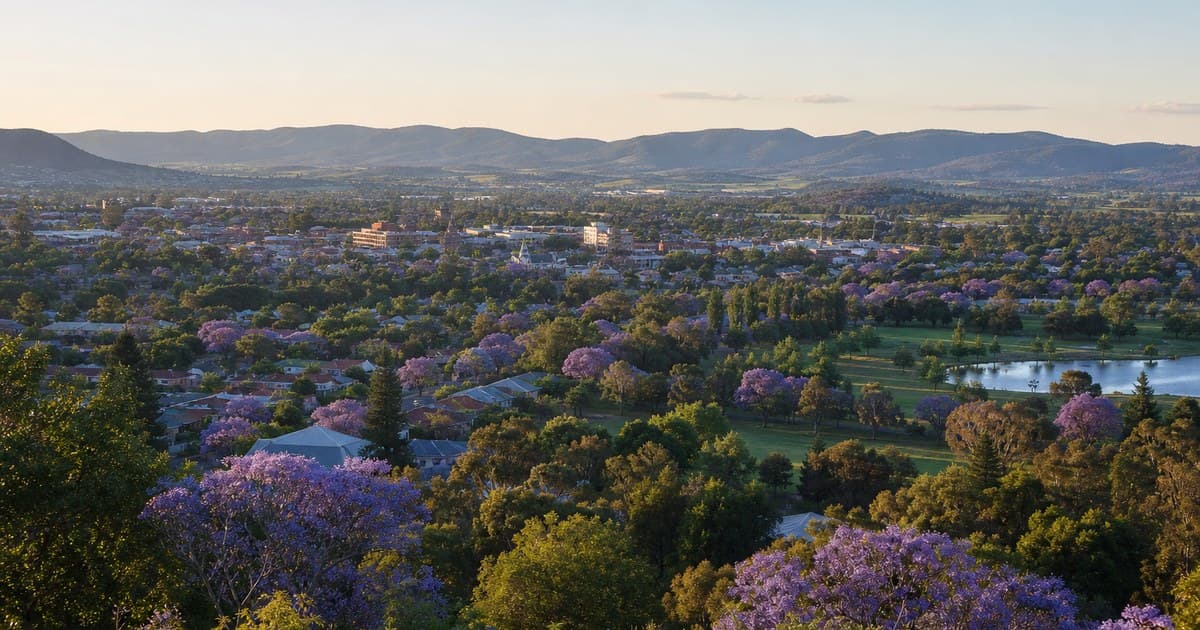
Is Albany the Next Remote Work Coastal Hub in Australia? 2026 Data + Business Opportunities
Founder, Locatalyze
Albany sits on one of the most spectacular natural harbours in Australia, 410km south of Perth, and for most of its history it was a city that people were from rather than a city people chose. Wool, fishing, timber. A regional service centre for the Great Southern. A retirement destination. Then something shifted. The pandemic proved that a substantial proportion of professional workers could operate from anywhere, and "anywhere" started to include Albany, with its whale-watching season, its hiking trails through the Stirling Range, its national parks, and its house prices that make Perth look unreasonable. Population growth that was flat for a decade has accelerated materially. The demographic composition is changing — younger, more professionally qualified, higher income. And the hospitality and business scene has been struggling to keep pace with a market that has genuinely shifted beneath it. The question for operators and business founders in 2026 is whether the window to enter this changing market is still open — or whether the early movers have already claimed the ground.
The Population Shift That Changes Everything
Albany's population crossed 40,000 in 2025 — a number that might seem modest until you consider the trajectory. In 2019 the population was approximately 35,500. In six years the city has added approximately 12% — driven not by agricultural or mining cycles but by deliberate lifestyle migration from Perth, from Sydney, and increasingly from Melbourne and Brisbane. The demographic profile of these new arrivals is meaningfully different from Albany's traditional base.
The new Albany resident is typically 30–50, with a professional or creative services background, household income in the $85,000–$140,000 range, working partially or entirely remotely, and specifically seeking the lifestyle combination of coastal access, national park proximity, and a functioning small city with infrastructure — without Sydney or Perth house prices. They have spent years eating at quality restaurants, buying specialty coffee, and using services that Albany has only partially offered.
+12%
Albany population growth 2019–2025 — driven by lifestyle migration, not resource sector
$1,200–$2,800
All-in weekly rent range for food and beverage tenancies — among WA's most viable regional economics
8
Quality mid-range dinner operators in Albany — significantly underserved for 40k population
The Commercial Opportunity Map
Albany's existing hospitality landscape reflects the city it was until approximately 2022, not the city it is becoming. There are 11 cafés of varying quality. There are 14 pubs and tavern dining rooms. There are 9 takeaway and fast casual operations. And there are 8 restaurants that could genuinely be described as quality mid-range dining — sit-down, considered menu, $35–$52 mains. For a city of 40,000 with a rapidly growing professional demographic, this is systematic underservice.
The comparison that illuminates the gap: Margaret River, with a permanent population of only 7,000 but an established premium tourism economy, has 22 food and beverage operators in the quality mid-range and above category. Albany has 40,000 residents and 8. The arrival of the remote work demographic in Albany without a corresponding hospitality development wave has created one of the clearest quality hospitality gaps in regional Western Australia.
The Rent Economics: Why Albany Makes Commercial Sense
Albany's commercial rents reflect its historical market position rather than its demographic trajectory. York Street and Stirling Terrace — the primary commercial spine — have food and beverage tenancies at $1,200–$2,800 per week all-in. The Foreshore precinct sits slightly higher at $1,600–$3,200 for premium positions.
The Seasonal Variable: Whale Watching Season and What It Means
Albany's whale watching season — June through October — brings significant tourism traffic to the city. During this period, the Discovery Bay and Torndirrup National Park infrastructure draws visitors from Perth and interstate who spend meaningfully in the local hospitality economy. This seasonal tourism demand is genuine but not sufficient to sustain a business on its own: the November through May period is when local patronage must carry the business.
Unlike some regional markets where the off-season is a quiet disaster, Albany's permanent resident and remote-worker demographic provides a year-round base that is increasingly substantial. A café or restaurant calibrated to serve the local professional demographic as its primary revenue base, with tourism as upside, has stronger annual average economics than a tourist-dependent model.
GO or CAUTION? The Albany Verdict for 2026
VERDICT: GO — strongest opportunity in 2–3 years of any WA regional market
**GO for:** Quality mid-range café, neighbourhood restaurant at $36–$52 mains, wine-forward casual dining. The demographic gap between what Albany now has and what its new resident base wants is real and growing. **Rent economics:** $1,400–$2,400/week all-in positions offer genuinely viable rent-to-revenue ratios for formats serving the professional demographic. **Timing:** The first-mover window is open but not indefinitely. Albany's trajectory is visible to operators across WA and the first quality wave of hospitality investment will compress the opportunity within 18–24 months. **CAUTION:** Albany's permanent population is still 40,000. Volume ceilings are real. A 70-seat restaurant requires a format that captures both the local professional base AND the tourism supplement.
Locatalyze covers Albany with demographic migration analysis, competitive gap mapping, and rent benchmarking updated for the 2025–26 growth cycle.
Free location score, map, data confidence and PROCEED / VERIFY / AVOID recommendation. Modelled financials stay optional.
Analyse my Albany locationRelated reading
About the author
Prashant GuleriaFounder, Locatalyze
Prashant built Locatalyze to give every Australian founder the location intelligence that separates informed decisions from expensive ones.
Tools first — then a full report for your address
Free rent, viability, and break-even checks. Upgrade when you are ready for competitors, map, and numbers for a specific site.
No signup required for tools