Fremantle's Restaurant Scene Looks Incredible From Outside. The P&L Looks Different.
Founder, Locatalyze
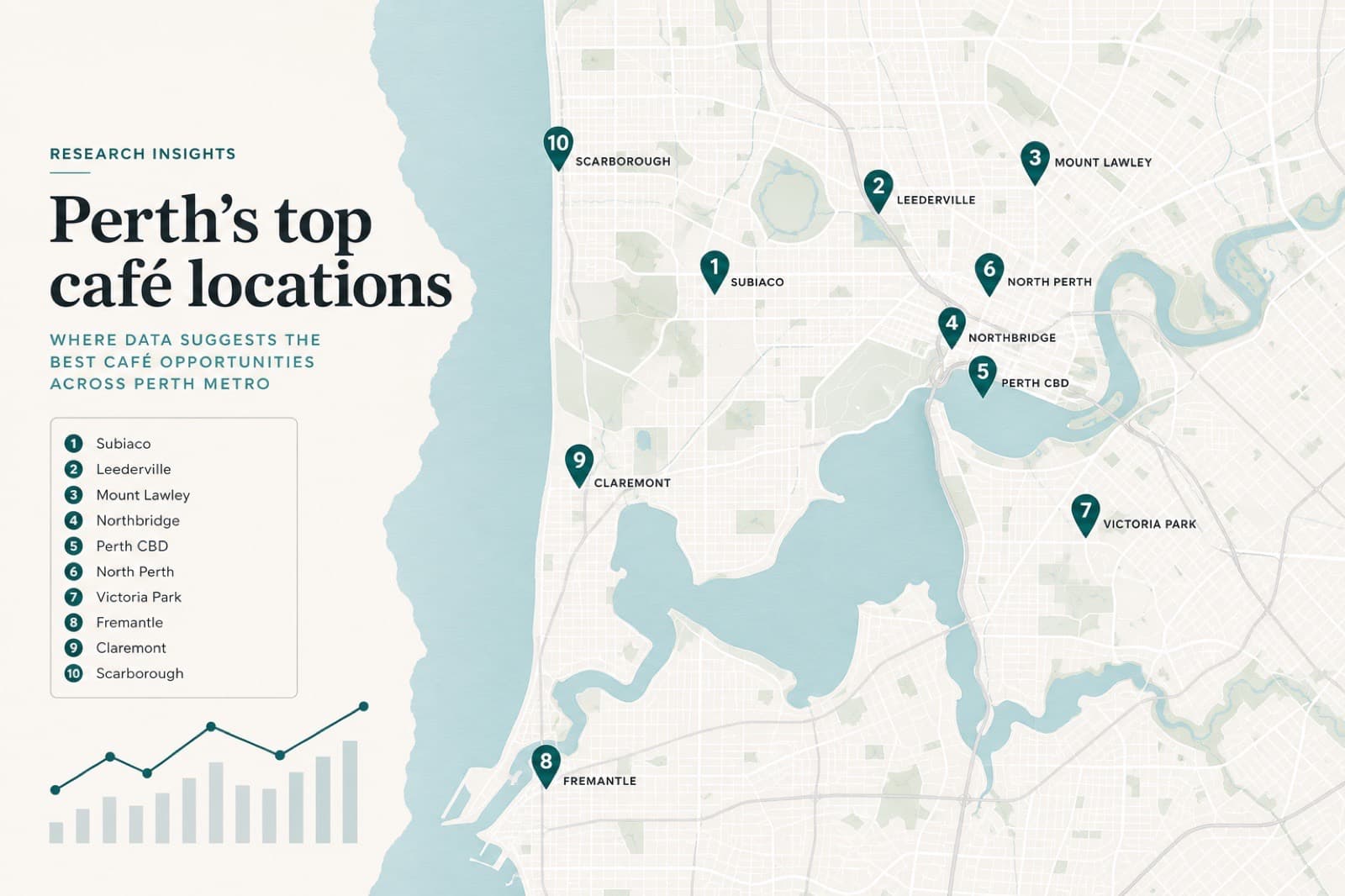
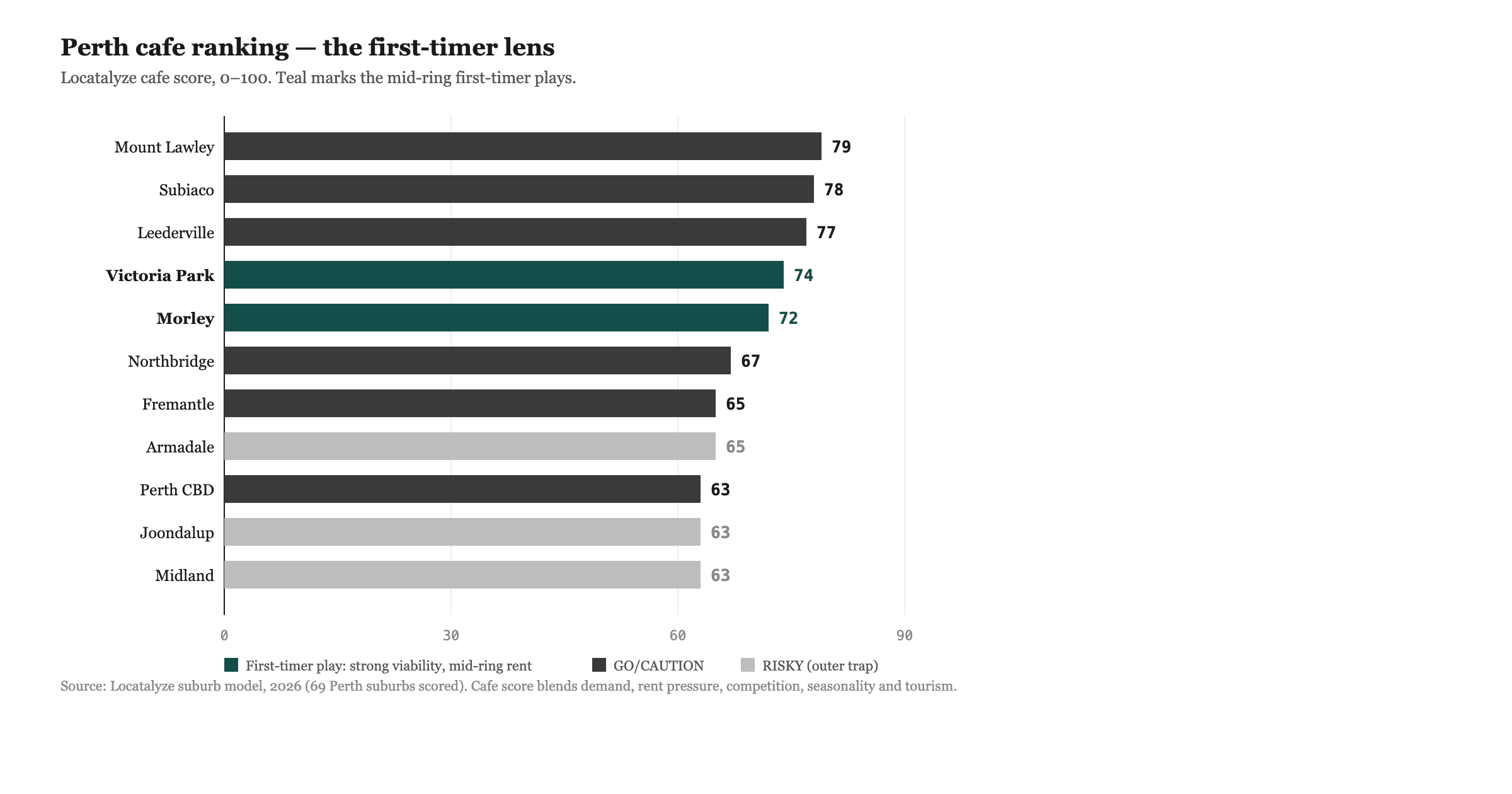
Fremantle is one of the most photographed dining environments in Australia. The combination of heritage architecture, a working port, a genuine market, a dense arts and culture scene, and a coastal position creates a visual and atmospheric backdrop that makes Fremantle restaurants look exceptional in media coverage and on social media. This atmosphere is real and it has genuine commercial value — it accelerates brand building and marketing reach in ways that inland suburban locations cannot replicate. It also creates a specific and underappreciated trap for operators who mistake the atmospheric quality of Fremantle for commercial resilience. Fremantle has a tourist-to-local ratio in its foot traffic that creates fundamental instability in revenue patterns. It has a seasonal trading variance that is more extreme than most Australian food suburbs. And it has a specific commercial geography where some blocks and streets perform radically differently from others that look identical in a site visit. This analysis examines what the numbers actually show.
The Tourist-Local Split That Defines Everything
On a peak summer Saturday in Fremantle — sunny, a market day, a cruise ship in port, school holidays — the primary commercial precincts around the Fremantle Markets, South Terrace, and the fishing boat harbour can see 25,000–40,000 visitors. This is extraordinary foot traffic for a non-CBD location. It looks, on a site visit during one of these peak days, like one of the best commercial environments in the country.
The problem is what that foot traffic is composed of. On a peak summer tourist day, the majority of the highest-footprint areas in Fremantle are dominated by visitors — day-trippers from Perth suburbs, domestic tourists, cruise ship passengers, and interstate visitors — who are in a different spending mode than locals. Tourist spending is real but it has specific characteristics: higher per-head on impulse purchases, fish and chips, takeaway, and novelty food experiences; lower on the sit-down, multiple-course, considered dining that most ambitious restaurant operators want to deliver.
The seasonal variance in Fremantle is among the most extreme of any Australian food suburb. Operators who benchmark their business performance on the summer peak and build their rent commitment and cost structure around that performance consistently find that the winter trough — which for many Fremantle locations represents 40–55% of summer weekly revenue — creates a structural deficit that 6 months of good trading cannot fully recover.
The Modelling That Most Operators Skip
The critical calculation for any Fremantle location is the annual revenue model weighted for seasonality — not the weekly revenue at summer peak, but the average weekly revenue across all 52 weeks, with each week assigned a realistic multiplier based on its trading profile.
A simplified version: if your summer peak weeks (say, 16 weeks) generate $28,000 in weekly revenue, your shoulder season (20 weeks) generates $18,000, and your winter period (16 weeks) generates $13,000, your annual average weekly revenue is approximately $19,900. Your rent should be assessed against $19,900 — not against $28,000. An operator who signs a lease based on the summer peak number and discovers the annual average is $19,900 has set a rent commitment that their actual annual trading cannot justify.
The Fremantle seasonality calculation every operator must do
Model revenue across three phases: • Peak (est. 16 weeks): your best realistic weekly revenue • Shoulder (est. 22 weeks): realistic mid-season weekly revenue • Trough (est. 14 weeks): realistic winter weekly revenue Weighted average = (16×peak + 22×shoulder + 14×trough) ÷ 52 Your rent must be viable against this weighted average — not the peak. Every Fremantle operator who modelled only the peak and ignored the trough has had the same conversation with their accountant at the end of August.
The Commercial Geography: Which Blocks Actually Work
Fremantle's commercial restaurant geography is more heterogeneous than it looks in a site visit. The blocks that benefit most from tourist foot traffic — around the Fremantle Markets and the fishing boat harbour — have the highest rents and the most extreme tourist-local split. The blocks that have the strongest local repeat patronage — parts of South Terrace and the streets feeding into the local residential catchment — have lower rents and more consistent year-round trading profiles, but lower peak foot traffic.
For a format that depends on locals — a neighbourhood restaurant building repeat dinner loyalty, a café with a commuter morning trade — the local-heavy blocks offer better year-round economics despite lower peak numbers. For a format that benefits from tourist traffic — a fish and chips concept, a craft beer bar that captures the tourist's "experience Fremantle" visit, a market-adjacent breakfast concept — the tourist-facing positions justify the premium despite the seasonal risk.
What the Most Profitable Fremantle Operators Do Differently
The operators who build profitable, enduring businesses in Fremantle share one consistent behaviour: they model their business for the trough, not the peak. They sign leases at rent levels that their winter revenue — not their summer peak — can sustain. They use the summer surplus to build working capital reserves that carry the business through the winter deficit. And they design formats that capture something from both the tourist economy (summer volume) and the local economy (year-round reliability) rather than being entirely dependent on either.
The format that consistently delivers this balance in Fremantle: a quality casual dining concept with a strong takeaway or quick-service component that captures tourist impulse spend, combined with a considered sit-down programme that builds local loyalty. The sit-down dinner business sustains the business through winter. The casual component maximises revenue during peak periods. The combination creates a format that benefits from Fremantle's strengths without being destroyed by its weaknesses.
Locatalyze provides seasonality-adjusted revenue modelling for Fremantle addresses — know your annual average, not just your summer peak, before you commit to any rent.
Free location score, map, data confidence and PROCEED / VERIFY / AVOID recommendation. Modelled financials stay optional.
Model my Fremantle locationRelated reading
About the author
Prashant GuleriaFounder, Locatalyze
Prashant built Locatalyze because the difference between a good location and a great-looking one is often invisible until it shows up in your P&L.
Tools first — then a full report for your address
Free rent, viability, and break-even checks. Upgrade when you are ready for competitors, map, and numbers for a specific site.
No signup required for tools