Choosing the wrong retail location is a business-ending mistake that is almost always made before the business opens. Here is the step-by-step process that separates founders who choose well from those who wish they had been more rigorous.
The retail location selection process
- 1
Define your target customer profile precisely (age, income, lifestyle)
- 2
Identify suburbs where that customer concentrates using ABS data
- 3
Map all competitors within 500m of each candidate location
- 4
Conduct foot traffic counts at your key trading windows
- 5
Calculate the rent-to-revenue ratio for each shortlisted site
- 6
Visit at multiple times of day and on multiple days of the week
- 7
Talk to neighbouring business owners about trading conditions
- 8
Get a solicitor to review the lease before you sign anything
Step 1–2: Defining your customer and finding where they live
The most common mistake in retail location selection is searching for locations before defining the customer. Your customer profile — age, household income, lifestyle orientation, purchasing behaviour — should drive your suburb shortlist. ABS Census data at the suburb level tells you whether a suburb has a concentration of your target customer.
Step 3: Competition mapping
Map every direct competitor within 500m. Note their apparent trading volume, Google rating, and how long they have been operating. A competitor who has been operating for 5 years with 200+ reviews and a 4.5-star rating is well-established market share. A competitor who opened 6 months ago with 30 reviews is not the same threat.
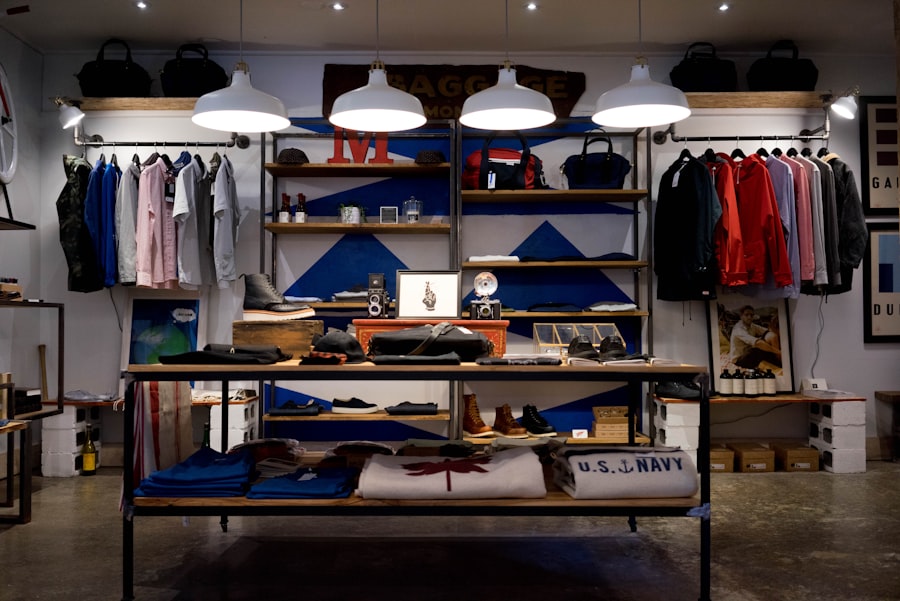
Competition mapping helps you see whether the market has room for another player.
Step 4–5: Traffic counts and rent modelling
Conduct manual foot traffic counts at the times when your business would need to trade. Apply a realistic capture rate to estimate daily transactions. Model this against your average transaction value to get a revenue projection. Then calculate rent as a percentage of that projection. If it is below 12%, the site passes. If it is above 15%, be cautious. If it is above 20%, walk away.
Automatic disqualifiers for a retail location
More than 5 direct competitors within 200m. Rent above 20% of projected revenue. No foot traffic anchors within 200m. High street vacancy rate (signals area decline). Landlord unwilling to negotiate any terms.
Step 6–8: Site visits and professional review
Visit the site at opening time, midday, and during your expected peak trading period. Talk to the neighbouring business owners — they will tell you more about the trading reality of the location than any data source. Then get a solicitor to review the lease before you sign. These three steps together are worth more than all the desktop analysis in the world.
Tools first — then a full report for your address
Free rent, viability, and break-even checks. Upgrade when you are ready for competitors, map, and numbers for a specific site.
No signup required for tools