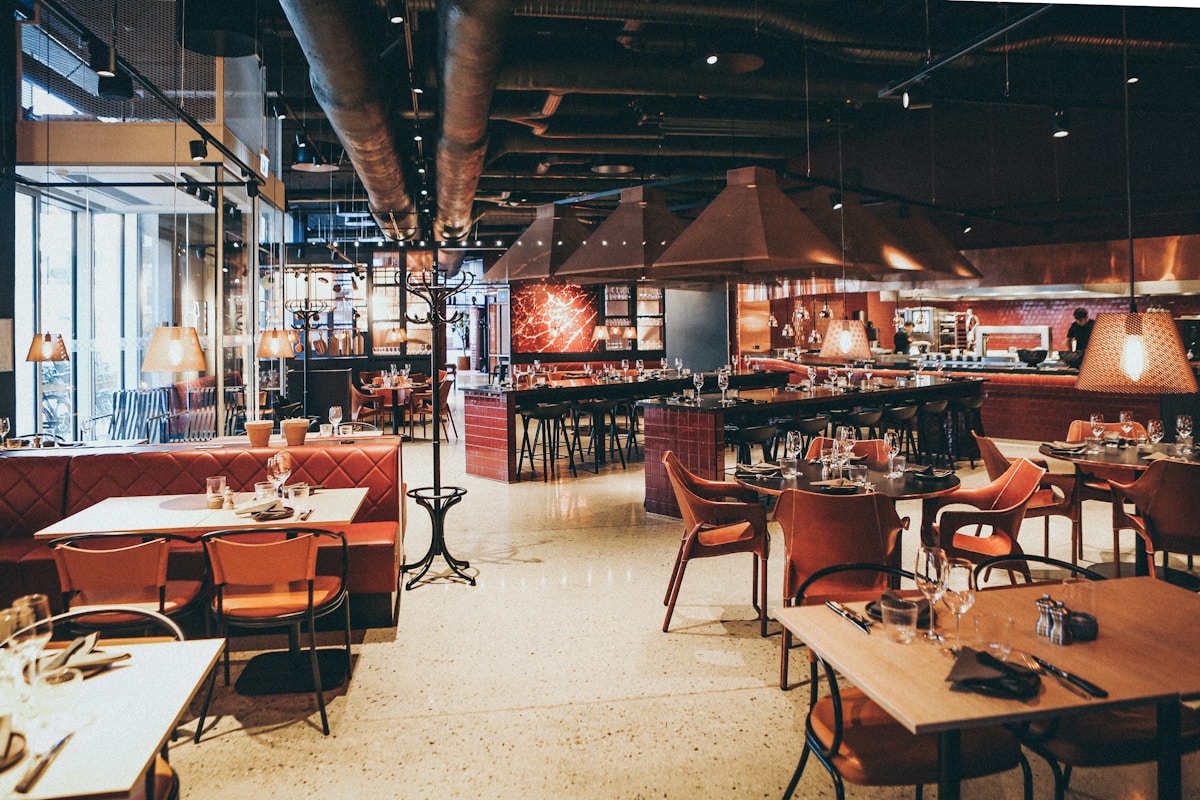
For many Brisbane restaurant operators, the lease determines profitability more than opening-week demand. This guide focuses on negotiation points that reduce downside and preserve margin over years two and three.
I've seen this mistake repeatedly: founders rely on a clean spreadsheet but skip one week of ground-truth checking at the actual trading hours.
5 clauses
Highest-impact terms to negotiate first
2–3 years
Window when bad terms usually hit hardest
1 contract
Define no-go triggers before signing
The clauses that change real profitability
Negotiation decision framework
Pre-signing sequence
- 1
Model base-case and downside
- 2
Stress-test rent review impacts
- 3
Quantify make-good exposure
- 4
Set non-negotiable red lines
- 5
Proceed only if downside remains survivable
Pressure-test your Brisbane lease with location demand.
Run Brisbane restaurant analysis → →Turn this restaurant guide into a decision
Pressure-test demand by daypart, rent viability, and downside risk on your real target site.
Run full restaurant location analysis →Free pre-lease checklist
Download the quick checklist operators use to avoid signing weak sites without demand and rent validation.
How to read this decision
Interpretation: these conditions matter in combination, not isolation. A single strong metric does not cancel a weak demand signal.
Mini real-world scenarios
One site showed strong footfall but weak conversion intent. People moved through quickly, and the concept needed destination demand that never formed.
A cafe in an inner Perth strip looked viable on paper, but failed in month five because weekday commuter capture was half of the expected run rate.
A small operator avoided a poor lease by running two weekends of manual counting first; the observed peak window was 35% below benchmark assumptions.
Start with these city pages
Pillar guides
Tools first — then a full report for your address
Free rent, viability, and break-even checks. Upgrade when you are ready for competitors, map, and numbers for a specific site.
No signup required for tools