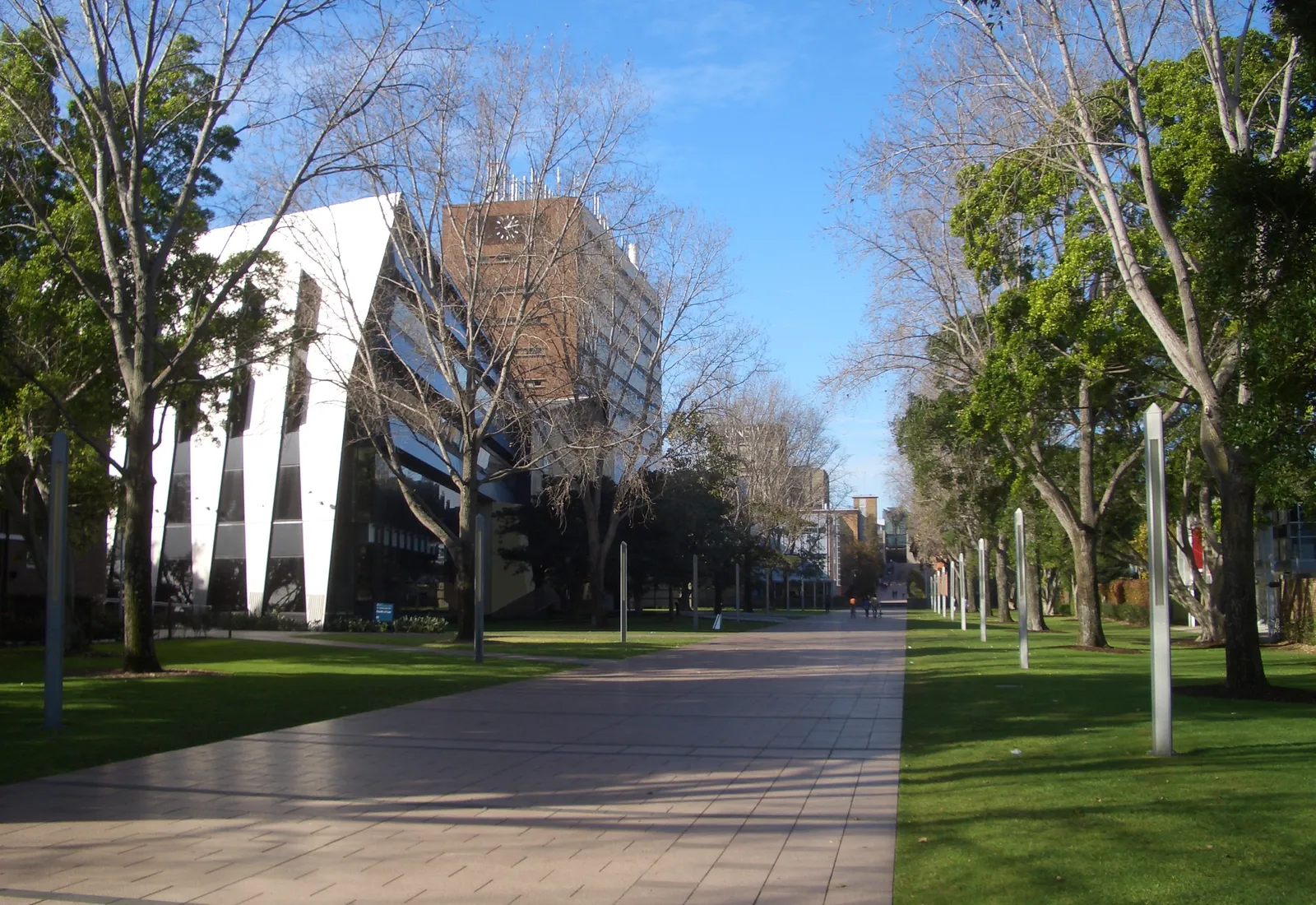
Demand 9/10: home to UNSW's main Kensington campus — part of an 82,272-student university (2024) with 8,318 staff — feeding one of the largest single daytime catchments in Sydney, served by the L2/L3 light rail along Anzac Parade and an inner-eastern resident base of 11,927 on above-average incomes ($2,118 household vs the Greater Sydney $2,077).
VERIFYBest fit: Café (67/100)
Location score
62
out of 100
Recommendation
VERIFY
Potentially viable — important checks remain
BEST FIT
67
Café
6.7/10 category
60
Restaurant
55
Retail
Businesses analysed28
Cache updated27 June 2026
Enginev7.3.0
Medium confidence
28 businesses sampled near Kensington centre (updated within the last 4 months); suburb scores use Locatalyze engine v7.3.0. Suburb-centre snapshots for Kensington — validate at your lease address before signing.
Demand, rent, competition, seasonality, and tourism — scored and weighted for Australian commercial operators.
9/10
Demand
6/10
Rent cost
7/10
Competition
4/10
Seasonality
2/10
Tourism dep
Business-Type Scores
How each format performs
Café / Specialty Coffee67
Full-Service Restaurant60
Independent Retail55
Scores use engine-derived weights: cafés weight demand and rent most heavily; restaurants factor tourism; retail factors tourism and demand equally.
Analyst Notes — Kensington
What the data says about this location
1
Demand 9/10: home to UNSW's main Kensington campus — part of an 82,272-student university (2024) with 8,318 staff — feeding one of the largest single daytime catchments in Sydney, served by the L2/L3 light rail along Anzac Parade and an inner-eastern resident base of 11,927 on above-average incomes ($2,118 household vs the Greater Sydney $2,077).
2
Competition 7/10: the Anzac Parade strip through Kensington and Kingsford is one of Sydney's densest Asian student-food precincts, so a generic offer competes against deep, cuisine-specific incumbents.
3
Rent 6/10: inner-eastern, light-rail-served frontages cost more than an outer-suburban student strip, though the value-conscious student market caps premium pricing.
4
Seasonality 4/10: a real but moderated university trough — UNSW's trimester calendar spreads enrolment across the year more evenly than a traditional two-semester campus, softening the summer dead-zone.
Local insight — Kensington
On-the-ground read for operators
Editorial notes layered on top of the scored model — same scores and benchmarks above; this section translates strip mechanics into decisions.
Local reality check
Demand 9/10: home to UNSW's main Kensington campus — part of an 82,272-student university (2024) with 8,318 staff — feeding one of the largest single daytime catchments in Sydney, served by the L2/L3 light rail along Anzac Parade and an inner-eastern resident base of 11,927 on above-average incomes ($2,118 household vs the Greater Sydney $2,077).
Competition 7/10: the Anzac Parade strip through Kensington and Kingsford is one of Sydney's densest Asian student-food precincts, so a generic offer competes against deep, cuisine-specific incumbents.
Rent 6/10: inner-eastern, light-rail-served frontages cost more than an outer-suburban student strip, though the value-conscious student market caps premium pricing.
Competition is dense — differentiation and daypart focus matter more than signage alone.
Micro-location breakdown
Kensington main strip / highest visibility
What tends to work: High-throughput food, proven hospitality formats, and retail with clear window narrative.
What struggles: Undifferentiated “another café” plays without a daypart or product edge.
Rent vs foot traffic: Prime band often near $5,092–$6,240/mo — Rent pressure 6/10 — treat agent ranges as opening positions; model $/sqm and outgoings before emotional commitment.
Secondary street / side pocket
What tends to work: Operators who accept lower passer-by counts but fund discovery through product, hours, or events.
What struggles: Walk-in-only models with no marketing budget or brand recognition.
Rent vs foot traffic: Secondary band often near $4,231–$5,092/mo — savings must fund signage and fit-out amortisation, not disappear into rent alone.
Budget / upstairs / off-strip
What tends to work: Studios, appointment services, niche retail with owned traffic.
What struggles: Full-service dining depending on spontaneous footfall without a booking channel.
Rent vs foot traffic: Lower band near $2,750–$4,231/mo — viable only when customers arrive by intent, not accident.
Real business scenarios
If prime rent clears near $5,092–$6,240/mo, model daily covers at your real average ticket — the engine verdict is VERIFY at 62/100, not a guarantee at your address.
Tourism dependency 2/10: when elevated, January and shoulder weeks need explicit planning, not December extrapolation.
Run competitors within 500m before offer — Competition is dense — differentiation and daypart focus matter more than signage alone.
Competitive reality
Kensington (VERIFY, 62/100) is a modelled read across demand, rent, competition, and seasonality — validate on-site at quiet and peak dayparts, then reconcile with your accountant before lease execution.
Sharp verdict
Kensington pays off when rent sits inside $5,092–$6,240/mo at conservative revenue — do not sign on suburb hype; sign on covers you can defend on a Tuesday.
Sectional field guide
Kensington is an inner-eastern student precinct that trades on one of the largest single catchments in Sydney. UNSW's main campus — part of an 82,272-student university (2024) with more than 8,300 staff — sits at its centre, fed by the L2 and L3 light rail along Anzac Parade and an affluent resident base of 11,927 on above-average incomes. Demand reads 9/10, but the composite lands at 62/100 with a VERIFY verdict, held down by one of Sydney's densest Asian student-food strips (competition 7/10) and inner-eastern rents (6/10). This field guide walks the precinct section by section so you can match a format to the right block.
Kensington shares the student-precinct shape of Macquarie Park and Clayton, but with three differences that change the operator maths: it is inner-city (about 7 km from the CBD) with light rail, its residents and the surrounding eastern-suburbs catchment are wealthier than a typical student strip, and UNSW's trimester calendar spreads enrolment more evenly across the year — softening the summer dead-zone that hollows out two-semester campuses. Café scores 67/100 here on the strength of that large, year-rounder catchment.
The commercial geography runs along Anzac Parade, the spine that connects the UNSW campus through Kensington into Kingsford, with light-rail stops feeding the flow. The strip is a dense, cuisine-specific student-food economy; the campus edge is the worker-and-student daytime engine; and the residential streets behind carry an above-average-income local base. Read the section that matches your format before you shortlist an address.
Kensington's resident numbers describe a young (median age 32), renter-heavy (54.8%) but affluent inner-eastern suburb — household and personal incomes above the Greater Sydney medians, and a high professional share. It is a wealthier base than the budget student strips of the outer suburbs, which is the key to its operator opportunity: a market that can support a higher ticket.
Layered over the residents is the UNSW catchment — an 82,272-student university with 8,300-plus staff, its main campus at the top of Anzac Parade. The operator implication is to serve both: the value-conscious student volume and the above-average-income staff-and-resident margin, with a differentiated, higher-ticket format positioned on the campus-to-light-rail flow.
Figure 1
Kensington's UNSW catchment dwarfs its resident base
Kensington residents11,927
Median age 32; 54.8% renting.
UNSW students (all campuses)82,272
Kensington is the main campus.
UNSW staff (all campuses)8,318
2024.
Sources: resident population, ABS Census 2021, Kensington (NSW) [1]; UNSW students and staff, 2024 [3]. Student and staff figures are university-wide across all UNSW campuses; the Kensington campus is the main one. Not all are at Kensington, but it carries the largest share.
UNSW is the engine — large, and more year-round than most
Start with the institution, because it defines the catchment. UNSW enrolled 82,272 students in 2024 with more than 8,300 staff, and its main campus is in Kensington — a 38-hectare site that puts one of the largest single daytime populations in Sydney at the top of Anzac Parade. For an operator, that is an enormous, walkable, habitual market: students and staff moving between the campus, the light rail and the strip on a daily rhythm, buying coffee and food at high frequency.
The important nuance is the calendar. Unlike the traditional two-semester universities that empty out for three months over summer, UNSW runs a trimester model with three main teaching terms plus a summer term, which spreads enrolment across the year and keeps a meaningful student population on campus through more of it. That does not eliminate the December–January softening, but it materially reduces the seasonal trough that catches operators out in pure two-semester precincts — one reason Kensington's seasonality reads 4/10 rather than the harder 5 of a campus with a long dead summer.
Anzac Parade — a dense, cuisine-specific student strip
The Anzac Parade strip through Kensington and Kingsford is one of Sydney's most concentrated Asian student-food economies — a long run of cheap eats, dumpling and noodle houses, bubble-tea and dessert venues serving the UNSW market, with a strong Chinese and broader Asian customer base. Competition reads 7/10: this is not a thin market with obvious gaps, it is a deep, knowledgeable, price-competitive one where the student customer already has a trusted rotation within a short walk.
Winning on the strip means doing a specific thing better than the incumbents, or serving a daypart and customer the cheap-eats core under-serves. Quality specialty coffee for the staff, postgraduate and above-average-income resident market — a segment the functional student-coffee offer does not fully satisfy — is the clearest gap. A single cuisine executed genuinely well, or a healthier fast format in a fried-and-cheap field, can also carve a position. The losing move is the fourth competent dumpling or bubble-tea shop on a block that already has three.
The campus edge and the light rail — where the catchment moves
The productive positions track where the daytime catchment physically moves: the campus gates on Anzac Parade and High Street, and the light-rail stops that feed them. The L2 (Randwick) and L3 (Kingsford) lines run along Anzac Parade with stops at the UNSW campus, Kensington and Kingsford, distributing students and staff along the strip and connecting the precinct to the CBD and the eastern suburbs. A grab-and-go or coffee format positioned on a campus gate or a light-rail stop captures the commuter-and-class pulse on a daily, habitual basis.
The light rail also changed the strip's accessibility, pulling a broader catchment along Anzac Parade and lifting the through-flow past the cheap-eats core. The operator read is to map a position against the actual desire-lines — campus gate to light-rail stop to strip — rather than a notional high-street frontage off the flow. In a precinct this defined by the movement between campus, transit and food, being on or off those lines is the difference between catching the volume and waiting for it.
The above-average resident base — a quieter opportunity
Kensington is not only a student strip; it is also an established, relatively affluent inner-eastern suburb. The 2021 Census records a median weekly household income of $2,118 — above the Greater Sydney $2,077 — and a personal income of $943, above the metropolitan $881, across a resident base of 11,927. The suburb is renter-heavy (54.8%, reflecting the student population) but the broader eastern-suburbs catchment around it carries genuine spending power. This is a wealthier base than the budget-oriented student strips of the outer suburbs.
That resident and staff base is the quieter, higher-margin opportunity beneath the cheap-eats volume. A quality neighbourhood café, a considered restaurant, or a specialty offer aimed at the professional and postgraduate market serves a customer with discretionary spend that the student core does not represent. The format has to be deliberately pitched at that segment — not a budget student offer, and not a generic café competing on the strip's terms, but a quality proposition for an above-average-income local and staff market.
Rent — inner-eastern, with a value-capped ceiling
Kensington's rent reads 6/10 — higher than an outer-suburban student strip, because this is inner-eastern Sydney, 7 km from the CBD, with light rail and an affluent surrounding catchment. Anzac Parade frontages cost more than a Clayton or an outer-west student strip, and the light rail has supported rents along the corridor. That raises the bar on the volume or margin a format has to achieve to clear its occupancy cost.
The countervailing force is the value orientation of the student market, which caps how far the strip's pricing can climb — a cheap-eats operator can only pass on so much rent before the student customer trades down or elsewhere. The implication is a squeeze: inner-eastern rents meeting a value-conscious core market. The formats that resolve it are the ones that lift the average ticket — quality coffee, a considered restaurant for the staff-and-resident base — rather than competing on price against the cheap-eats incumbents at an inner-eastern rent they cannot sustain on student margins.
The format that fits, in plain terms
The strongest fit is quality specialty coffee on a campus-gate or light-rail position (café 67/100) — serving the large, more year-round UNSW catchment plus the above-average-income staff and residents, lifting the average ticket above the cheap-eats norm. A considered single-cuisine restaurant the strip under-serves, or a quality neighbourhood offer pitched at the professional and postgraduate market, fits the same logic (restaurant 60/100). Student services and convenience trade on the daytime catchment.
What does not fit: a generic café or me-too cheap-eats offer dropped into one of Sydney's densest student-food strips with no point of difference; or a budget format trying to undercut the incumbents at an inner-eastern rent it cannot sustain on student margins. Retail (55/100) is hardest here, competing for a student wallet and against the eastern-suburbs centres. Match the format to the large, year-rounder UNSW catchment and the affluent resident base — and lift the ticket above the strip's value floor — and Kensington's demand depth rewards it.
Zone-by-zone breakdown
UNSW campus gates (Anzac Parade / High St)
The daytime engine — students and staff moving on and off the 82,000-student campus. Works for: fast quality coffee and grab-and-go on the gate-to-strip flow. Fails for: sit-down formats needing dwell time the between-class customer does not have.
Anzac Parade cheap-eats core
The dense Asian student-food strip through Kensington into Kingsford. Highest food volume, deepest competition. Works for: a cuisine done better than the incumbents, or a quality daypart the core under-serves. Fails for: generic me-too offers against capable, established operators.
Light-rail stops & residential edge
The L2/L3 stops and the affluent residential streets behind the strip. Works for: commuter grab-and-go at the stops, and quality neighbourhood formats for the above-average-income local and staff base. Fails for: budget formats mispriced for an affluent residential customer.
Operator Intelligence
10 dimensions — what matters most here
Scored 1–10 from an operator perspective: higher always means better. Each dimension includes the reasoning behind the score.
University daytime demandCritical
UNSW's main Kensington campus (part of an 82,272-student university, 8,300+ staff) is one of the largest single daytime catchments in Sydney.
9/10
Seasonal stabilityImportant
A trimester calendar spreads enrolment across the year, softening the summer trough that hollows out two-semester campuses.
6/10
Resident spending powerImportant
Above-average inner-eastern incomes (household $2,118 vs Greater Sydney $2,077) give a higher-margin base beyond the student core.
7/10
Competitive intensityCritical
The Anzac Parade strip is one of Sydney's densest Asian student-food economies — differentiation is mandatory.
4/10
Transport accessSupporting
The L2/L3 light rail along Anzac Parade feeds the campus and strip and connects to the CBD and eastern suburbs.
8/10
Rent affordabilitySupporting
Inner-eastern, light-rail-served frontages are dearer than an outer-suburban student strip, squeezing value formats.
5/10
When Kensington trades
Peak and off-peak trading periods
Strong
Weekday class hours (08:00–18:00), teaching terms
Student-and-staff coffee and food on the campus-to-strip flow — the core revenue window.
Moderate
Weekday evening
Student dinner on the cheap-eats strip plus the resident base; lighter than the daytime peak.
Moderate
Weekends
Resident and broader eastern-suburbs trade holds a base the pure worker precincts lack.
Weak
Mid-December to January
Softened by the trimester calendar but still the lean window; lean on staff and residents.
Operator fit warning
Who should not open in Kensington
✕
Generic cafés or me-too cheap-eats concepts with no point of difference on one of Sydney's densest student strips.
✕
Budget formats trying to undercut incumbents at an inner-eastern rent they cannot sustain on student margins.
✕
Operators ignoring the affluent staff-and-resident base in favour of the budget student core alone.
Best business formats for Kensington
Quality coffee on a campus or light-rail position
The best-fit format (café 67/100). Serve the large, more year-round UNSW catchment plus the affluent staff and residents with specialty coffee that lifts the ticket above the cheap-eats norm. Position on a campus gate or light-rail stop and bank the daily frequency.
A considered restaurant for the staff-and-resident market
A single-cuisine restaurant the strip under-serves, pitched at the above-average-income staff, postgraduate and resident base (household income above the Greater Sydney median) rather than the budget student core.
A quality daypart the cheap-eats core misses
Healthy fast food, genuine specialty coffee, or a quality breakfast offer serves a customer the fried-and-cheap strip under-supplies — a gap created by the very density of the value incumbents.
Risks specific to Kensington
The strip is one of Sydney's densest
The Anzac Parade cheap-eats core is deep and cuisine-specific. A generic or me-too offer with no point of difference loses to incumbents the student customer already trusts.
Inner-eastern rent meets a value market
Anzac Parade rents are higher than an outer-suburban student strip, but the value-conscious student market caps pricing. Competing on price at an inner-eastern rent is a squeeze that strands cash; lift the ticket instead.
Seasonality is softened, not removed
UNSW's trimester calendar spreads the year, but a December–January softening remains. Model the lull, and lean on the staff and affluent resident base to bridge it.
Rent viability bands for Kensington
Indicative monthly rent envelopes for typical commercial tenancies — what each band buys, where it works, where it does not.
Rent freshness: 2026 indicative benchmarksValidate against the exact lease before signing
Band
Range
What it buys
Works for
Fails for
Anzac Parade prime (campus / light-rail)
Indicative — inner-eastern strip tier
A frontage on the campus-to-light-rail flow with the strip's highest pedestrian volume.
Quality coffee and quick-service formats that lift the average ticket above the cheap-eats norm.
Budget formats trying to undercut incumbents at an inner-eastern rent on student margins.
Secondary strip position
Indicative — mid tier
Proximity to the core at lower cost and visibility.
Cuisine-specific operators with their own draw, and student services.
New cafés relying on passing density off the campus-and-transit flow.
Residential-edge frontage
Indicative — mid tier
A neighbourhood position among the affluent residential streets behind the strip.
Quality neighbourhood cafés and restaurants for the above-average-income local and staff base.
Budget student formats mispriced for an affluent residential customer.
Decision framework
Does your format lift the average ticket above the cheap-eats floor — quality coffee, a considered restaurant — rather than competing on price at an inner-eastern rent?
Are you positioned on the campus-gate-to-light-rail desire-line where the UNSW catchment physically moves?
Do you have a genuine point of difference against one of Sydney's densest Asian student-food strips, or a daypart the core under-serves?
Are you serving the above-average-income staff and resident base as well as the students, to broaden the catchment beyond the budget core?
Have you modelled the softened-but-real December–January trough, bridged by the staff and resident base?
Kensington offers a large, more year-round student catchment and an affluent resident base — but at inner-eastern rents against one of Sydney's densest food strips. Locatalyze runs an address-level analysis on the exact tenancy: the real foot traffic on the campus-to-light-rail line, the competing cuisine set on Anzac Parade, indicative rent against your format, and a break-even built on the trimester calendar and the staff-and-resident base rather than a flat assumption. Before you sign on Anzac Parade, get the ticket-and-position read right.
For a quality specialty-coffee format on a campus or light-rail position, yes — café is the best-fitting format (67/100). UNSW's 82,000-plus student catchment, an affluent staff-and-resident base, and a trimester calendar that softens the summer trough all support it. The composite is 62/100 (VERIFY) because the Anzac Parade strip is one of Sydney's densest (competition 7/10) and inner-eastern rents are high. Lift the ticket above the cheap-eats norm rather than competing on price.
Why is the verdict VERIFY when demand is 9/10?
Because two factors tax an excellent catchment. The Anzac Parade cheap-eats strip is deep and cuisine-specific (competition 7/10), and inner-eastern rents (6/10) meet a value-conscious student market that caps pricing. The composite of 62 reflects a large, genuine demand base that rewards a differentiated, higher-ticket format and punishes a generic or budget one.
What rent should I expect in Kensington?
Higher than an outer-suburban student strip — this is inner-eastern Sydney with light rail. Anzac Parade prime frontages are the dearest; secondary strip and residential-edge positions are mid-tier. The bands here are indicative envelopes — verify comps for the specific tenancy. The value-conscious student market caps how far pricing can climb, so formats need to lift the ticket rather than the volume.
How does UNSW's trimester calendar affect trade?
Favourably, relative to other campuses. UNSW runs three main teaching terms plus a summer term, which keeps a meaningful student population on campus through more of the year than a traditional two-semester university. That softens the long summer dead-zone that hollows out precincts like Clayton, which is why Kensington's seasonality reads 4/10 rather than a harder 5.
How does Kensington compare to Clayton or Macquarie Park?
All three are large student precincts, but Kensington is inner-city (7 km from the CBD) with light rail, a wealthier resident and staff base, and a trimester-softened seasonality. Its constraint, unlike cheap-rent Clayton, is high inner-eastern rent meeting a value student market — so the winning move here is lifting the ticket, not chasing the cheapest volume.
Who is the Kensington customer?
A blend of the UNSW student body (part of an 82,272-student university), 8,300-plus staff, and an affluent inner-eastern resident base of 11,927 with above-average incomes (household $2,118 vs the Greater Sydney $2,077). The students are value-conscious; the staff and residents have genuine discretionary spend — the opportunity is serving both.
Who should not open in Kensington?
Operators with a generic café or me-too cheap-eats concept and no point of difference, dropped into one of Sydney's densest student-food strips; and budget formats trying to undercut the incumbents at an inner-eastern rent they cannot sustain on student margins. The market rewards differentiation and a higher ticket, not price competition.
Transport for NSW, L2 Randwick & L3 Kingsford light rail — Anzac Parade / UNSW stops, accessed June 2026. https://transportnsw.info/
Data provenance & limitations. Demographic figures are from the ABS 2021 Census for the Kensington (NSW) suburb (SAL12107), with Greater Sydney (1GSYD) as benchmark; the 2021 Census is the most recent available. UNSW student (82,272) and staff (8,318) figures are 2024, university-wide across all campuses — Kensington is the main campus but a Kensington-only figure is not separately published, so the chart and text are explicit that these are all-campus totals. The campus photograph dates from 2007; the campus walkway is a long-standing feature, but confirm currency before use. Rent bands are indicative envelopes, not achieved rents — informed by the inner-eastern, light-rail-served positioning; verify comps for the specific tenancy. Factor scores are relative estimates calibrated across all Locatalyze suburbs, not guarantees of outcome.
Methodology: Scores are engine-derived from five observable inputs (demand strength, rent pressure, competition density, seasonality risk, tourism dependency — each 1–10). These feed into business-type-specific weighted composites via a single scoring engine used across all markets. Scores are relative estimates calibrated across all Sydney suburbs — a score of 80 indicates materially better conditions than 65; it is not a success probability or guarantee.
Frequently Asked Decision Questions
Have a specific address in Kensington?
Run a full competitor map, rent benchmark, and location score, data confidence, and proceed / verify / avoid screening recommendation for any Kensington address. Free.
·4.6★ with 527 reviews — repeat local demand, not one-off visits.
·Review volume 214% above peer average (168).
·Value-tier pricing with high volume — wins on convenience and price, not premium experience.
If you are opening nearby: Cafe Jack's Kensington is the benchmark café here — their 4.6★ and 527 reviews beat the 168-review peer average — $ positioning is validated by review depth in this catchment.
·4.7★ with 371 reviews — repeat local demand, not one-off visits.
·0.3★ above the 4.4★ average among top local peers.
·Review volume 95% above peer average (190).
If you are opening nearby: Grandma Moses Bakery & Cafe Kensington (Dominant) shows what execution looks like at this score tier — their 4.7★ and 371 reviews beat the 190-review peer average — $ positioning is validated by review depth in this catchment.
·4.4★ and 309 reviews — customers actively recommend this café.
·Review volume 55% above peer average (199).
·Mid-range positioning with strong review depth — balanced offer, not discount-led.
If you are opening nearby: their 4.4★ and 309 reviews beat the 199-review peer average — $$ positioning is validated by review depth in this catchment — 366m from centre — frontage on the walkable strip matters.
4. Bar Lucio
★★★★½ 4.5 (237 reviews) · 203m from centre
76 · Established
·4.5★ with 237 reviews — repeat local demand, not one-off visits.
·Central location (203m from suburb centre) captures pass-by and destination traffic.
If you are opening nearby: 4.5★ with 237 reviews signals repeat custom, not novelty traffic — 203m from centre — frontage on the walkable strip matters — For new entrants: Bar Lucio is beatable on single-origin filter led — avoid matching incumbents' full menu breadth.
5. Cafe YS9
★★★★½ 4.8 (123 reviews) · 557m from centre
69 · Established
·4.8★ and 123 reviews — customers actively recommend this café.
·0.4★ above the 4.4★ average among top local peers.
If you are opening nearby: 4.8★ with 123 reviews signals repeat custom, not novelty traffic — For new entrants: Cafe YS9 is beatable on pastry-forward with a limited hot menu — avoid matching incumbents' full menu breadth.
Who wins in Kensington — Restaurants
Ranked by success score (rating, review depth, centrality) within ~1000m of the suburb centre.
What winners have in common
·3 of 10 top venues sit at 4.3★+ — customers reward consistent execution, not novelty alone.
·Review depth averages 700 — operators with under 150 reviews read as unproven next to incumbents.
·Typical positioning is $$ (10 venues report Google price tiers).
·3 benchmark operators combine 4.4★+ ratings with 150+ reviews — new entrants need a clear niche, not a me-too menu.
·4.4★ and 881 reviews — customers actively recommend this restaurant.
·0.3★ above the 4.1★ average among top local peers.
·Mid-range positioning with strong review depth — balanced offer, not discount-led.
If you are opening nearby: Ryoh Japanese BBQ is the benchmark restaurant here — their 4.4★ and 881 reviews beat the 680-review peer average — $$ positioning is validated by review depth in this catchment.
·4.4★ and 801 reviews — customers actively recommend this restaurant.
·0.3★ above the 4.1★ average among top local peers.
·Value-tier pricing with high volume — wins on convenience and price, not premium experience.
If you are opening nearby: 4.4★ with 801 reviews signals repeat custom, not novelty traffic — $ positioning is validated by review depth in this catchment — For new entrants: Focus on a specific occasion (date night, quick lunch, or group dining) that Pondok Buyung does not dominate.
·4.1★ rating beats the typical restaurant baseline in this catchment.
·Review volume 40% above peer average (673).
·Mid-range positioning with strong review depth — balanced offer, not discount-led.
If you are opening nearby: $$ positioning is validated by review depth in this catchment — For new entrants: Focus on a specific occasion (date night, quick lunch, or group dining) that Ribs & Burgers Zetland does not dominate.
4. Village Crown
★★★★☆ 4.1 (939 reviews) · $$ · 944m from centre
65 · Established
·4.1★ rating beats the typical restaurant baseline in this catchment.
·Review volume 39% above peer average (673).
·Mid-range positioning with strong review depth — balanced offer, not discount-led.
If you are opening nearby: $$ positioning is validated by review depth in this catchment — For new entrants: Focus on a specific occasion (date night, quick lunch, or group dining) that Village Crown does not dominate.
5. Ogalo
★★★★☆ 4.2 (581 reviews) · $ · 484m from centre
72 · Established
·4.2★ and 581 reviews — customers actively recommend this restaurant.
·Value-tier pricing with high volume — wins on convenience and price, not premium experience.
If you are opening nearby: 4.2★ with 581 reviews signals repeat custom, not novelty traffic — $ positioning is validated by review depth in this catchment — For new entrants: Focus on a specific occasion (date night, quick lunch, or group dining) that Ogalo does not dominate.
Possible market opportunities
Derived from venue counts and formats in our Google Places snapshot — not a guarantee of demand at your exact address.
Medium confidenceWine bar with small plates
Reason: No clear 4.5★+ destination restaurant in local results — evening trade may be underserved.
Who wins in Kensington — Retail
Ranked by success score (rating, review depth, centrality) within ~1500m of the suburb centre.
What winners have in common
·8 of 10 top venues sit at 4.3★+ — customers reward consistent execution, not novelty alone.
·3 venues already exceed 150 reviews — social proof is a real barrier to entry.
·4.8★ with 209 reviews — repeat local demand, not one-off visits.
·Review volume 95% above peer average (107).
·Benchmark incumbent — new entrants in this category are measured against this operator.
If you are opening nearby: Baby Things Child Restraint Store & Fitting Station is the benchmark retail here — their 4.8★ and 209 reviews beat the 107-review peer average — For new entrants: Niche or service-led retail beats another generalist shelf near Baby Things Child Restraint Store & Fitting Station.
·4.8★ and 126 reviews — customers actively recommend this retail.
If you are opening nearby: 4.8★ with 126 reviews signals repeat custom, not novelty traffic — For new entrants: Niche or service-led retail beats another generalist shelf near Rock A Bye Baby Equipment Hire (Waterloo Branch).
3. Hire for Baby & Baby Restraint Fitters Mascot
★★★★½ 4.8 (94 reviews) · 842m from centre
70 · Established
·4.8★ and 94 reviews — customers actively recommend this retail.
If you are opening nearby: 4.8★ with 94 reviews signals repeat custom, not novelty traffic — For new entrants: Niche or service-led retail beats another generalist shelf near Hire for Baby & Baby Restraint Fitters Mascot.
4. BY ELORA
★★★★½ 4.9 (83 reviews) · 434m from centre
75 · Established
·4.9★ and 83 reviews — customers actively recommend this retail.
·0.3★ above the 4.6★ average among top local peers.
If you are opening nearby: 4.9★ with 83 reviews signals repeat custom, not novelty traffic — For new entrants: Niche or service-led retail beats another generalist shelf near BY ELORA.
5. Anaconda Moore Park
★★★½☆ 3.7 (342 reviews) · 990m from centre
48 · Growing
·342 reviews place it on the local shortlist even where ratings are mixed.
·Rating sits below the 4.8★ peer average — volume or convenience may be doing the work.
·Review volume 271% above peer average (92).
If you are opening nearby: For new entrants: Niche or service-led retail beats another generalist shelf near Anaconda Moore Park.
Who wins in Kensington — Sushi
Ranked by success score (rating, review depth, centrality) within ~1000m of the suburb centre.
What winners have in common
·Review depth averages 767 — operators with under 150 reviews read as unproven next to incumbents.
·4.4★ and 881 reviews — customers actively recommend this restaurant.
·0.3★ above the 4.1★ average among top local peers.
·Review volume 35% above peer average (653).
If you are opening nearby: Ryoh Japanese BBQ is the benchmark restaurant here — their 4.4★ and 881 reviews beat the 653-review peer average — $$ positioning is validated by review depth in this catchment.
2. Sushi Tengoku
★★★★☆ 4.1 (653 reviews) · $$ · 415m from centre
70 · Established
·4.1★ rating beats the typical restaurant baseline in this catchment.
·Rating sits below the 4.4★ peer average — volume or convenience may be doing the work.
·Mid-range positioning with strong review depth — balanced offer, not discount-led.
If you are opening nearby: $$ positioning is validated by review depth in this catchment — For new entrants: Sushi Tengoku sets expectations for this cuisine — win on speed, dietary clarity, or a narrower menu rather than a broad copy.
Possible market opportunities
Derived from venue counts and formats in our Google Places snapshot — not a guarantee of demand at your exact address.
High confidenceWine bar with small plates
Reason: No clear 4.5★+ destination restaurant in local results — evening trade may be underserved.