
Hobart Suburb Intelligence
Why Locatalyze says VERIFY for Sandy Bay
VERIFY first — Café category score 6.9/10. Location composite 66/100.
Location score
Recommendation
VERIFY
Potentially viable — important checks remain
Sandy Bay in 30 seconds
Sandy Bay is VERIFY at 66/100 (café 69, restaurant 66, retail 62). That is a shortlist, not a yes. Prove the named street and daypart before you sign.
Café 69/100 · Restaurant 66/100 · Retail 62/100 — pick the branch that matches your concept before you sign rent.
A café that already converts residents on a named Sandy Bay Road block — Café 69 is GO. The investigation is Tuesday proof, not a prestige-income slogan.
MODEL: composite 66 is not restaurant PROCEED. Do not borrow the café score.
The lease only works on suburb-average foot traffic, weekend trade is unproven at the door, or your concept cannot name a clear reason customers switch from incumbents.
Resident café window
VERIFY Sandy Bay at suburb scale. Café 69 is the format that clears GO. Do not treat Census income as a $/m² quote, and do not model a full-campus lunch in 2026.
Recommendation
VERIFY first
Café category score
6.9/10
Structural risk
Moderate
Competition
Moderate (5/10) — enough peers to validate demand, not North Hobart density
Differentiation required
Required
Location composite 66/100 measures overall suburb fit across all factors. Café category score is the format this page recommends. Scores screen the suburb, not the individual lease; the address report checks nearest competitors, rent-to-revenue, and break-even for the exact tenancy.
Should I open a café or restaurant in Sandy Bay?
Maybe — café 69 is GO; the suburb composite 66 is VERIFY. Best-fit café scores 69/100 with composite 66 — VERIFY (60–68). Demand is 8/10. Rent pressure is 6/10. Seasonality 2 is why café hits 69. Census 2021 household income sat above Tasmania. UTAS still operates a Sandy Bay campus, but from 2026 most southern on-campus students are in the Hobart CBD.
What surprised me
Sandy Bay feels like Hobart’s richest suburb. Census 2021 weekly household income was $1,915 versus $1,358 Tasmania — above the state, not a ranked “highest” claim. The useful investigation is a café that already converts residents on a named sandy bay road block.
How to read these scores
Composite 66/100; Café 69/100. Use this as a screening verdict before lease diligence.
Source
Locatalyze engine plus suburb-level evidence
Freshness
Engine scores current; no competitor cache for this suburb
Confidence
Medium - suburb-level scoring only
Limitation
Sandy Bay scores screen the suburb, not the lease. The paid report tests frontage, rent, nearest competitors, and break-even at your exact address.
Evidence freshness
Scores
Engine-scored suburb model
Competition
No cached competitor snapshot — walk the block
Rent
No sourced asking-rent series — obtain current listings
Demographics
ABS Census 2021 baseline with operator interpretation
Precinct map
City-end spill versus resident mid-strip versus a shrinking campus lunch — pick the P&L first
City-end Sandy Bay Road
Inner-Hobart spill class — verify listings
Battery Point edge · evening walk
Best for: Rooms that convert inner-city spill, not campus lunch
Mid-strip Sandy Bay Road
Street class — verify listings
Resident convenience · weekday repeat
Best for: Neighbourhood café and specialty food
Campus / UTAS edge
Daytime class — verify listings
STEM campus remaining · 2026 student share falling
Best for: Daytime food that survives a smaller on-campus mix
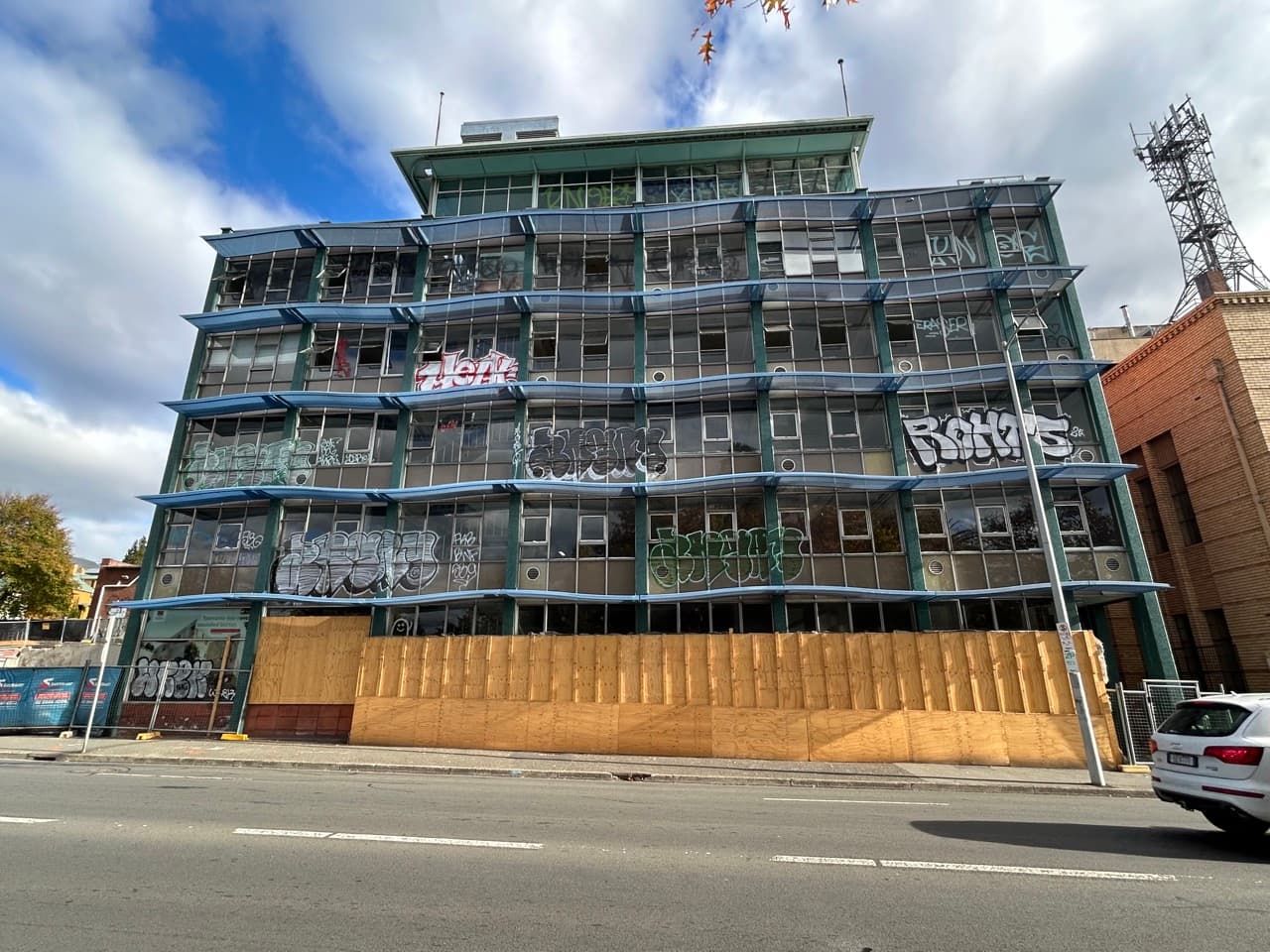
Engine VERIFY is suburb-level. These stretches are different P&Ls. Confirm asking rent; this map does not invent $/m². Photo on this page is city-end fabric, not the campus.
Operator fit warning
Who should not open in Sandy Bay
Restaurant operators borrowing café 69 as suburb PROCEED
Rooms that need a full undergraduate high street in 2026
Anyone using withdrawn $/m² copy as the rent quote
Decision path
What are you opening?
Pick your format — the guide shows only the branch that applies to your concept.
No dedicated section for this format in the suburb guide — run an address-level analysis for restaurant, retail, or bar economics.
Why do successful venues survive here?
They match product to a high-income resident floor and they do not treat UTAS as a static fountain. No cached competitor snapshot for Sandy Bay. Where I would still look: a café that already converts residents on a named sandy bay road block.
What mistakes do new operators make?
Public verdict is composite 66 VERIFY. Before I sign: shortlist a café on a named stretch of Sandy Bay Road if weekday residents plus remaining campus trade are visible at the door. Do not treat composite 66 as a restaurant GO, and do not treat UTAS as a static student fountain.
Here's what would stop me signing a lease
Restaurant operators borrowing café 69 as suburb PROCEED
Would I personally invest here?
I would only recommend this with moderate confidence — suburb composite is VERIFY. Café 69 is the format that clears GO; café 69/100 still needs a named gap and a 2026 campus-honest door.
I would back a named-street café with Tuesday and Saturday proof and a campus-honest 2026 door. I would not back a restaurant GO from composite 66, and I would not choose Sandy Bay because of an unsourced annual-income slogan. VERIFY Sandy Bay at suburb scale. Café 69 is the format that clears GO. Do not treat Census income as a $/m² quote, and do not model a full-campus lunch in 2026.
Best-fit café 69/100 · composite 66/100 VERIFY (café 69, restaurant 66, retail 62). Demand 8 and seasonality 2 are already in the model — do not add unsourced $/m² on top.
Suburb VERIFY means Sandy Bay is a conditional shortlist. Café 69 is the format that clears the default screen. Analyse the exact shopfront next.
Format-by-format depth, comparisons, and FAQsExpand for zones, rent bands, trading windows, format depth, comparisons, and due-diligence FAQs.
Check an address in Sandy Bay
Sandy Bay looks workable at suburb level for some formats. Your lease still needs demand, competition and rent fit at a specific frontage — not the suburb average.
Analyse a Sandy Bay address free