
Sydney Suburb Intelligence
Why Locatalyze says VERIFY for Bondi Junction
VERIFY first — Café category score 6.4/10. Location composite 63/100.
Location score
Recommendation
VERIFY
Potentially viable — important checks remain
Bondi Junction in 30 seconds
Bondi Junction is VERIFY at 63/100 (café 64, restaurant 63, retail 61). That is a shortlist, not a yes. Prove the named street and daypart before you sign.
Café 64/100 · Restaurant 63/100 · Retail 61/100 — pick the branch that matches your concept before you sign rent.
Specialist retail or beauty — Works when the offer is distinct from centre brands and easy for locals to repeat.
The centre can capture shoppers before they reach a street tenancy.
The lease only works on suburb-average foot traffic, weekend trade is unproven at the door, or your concept cannot name a clear reason customers switch from incumbents.
Useful for quick-service and convenience near the interchange
Bondi Junction pays off when your unit economics survive a compressed lunch peak and you still win dinner against Paddington and Double Bay — otherwise premium rent buys footfall you cannot convert to margin.
Recommendation
VERIFY first
Café category score
6.4/10
Structural risk
High
Competition
High (8/10) — Savta-scale incumbents on Oxford; national chains in Westfield
Differentiation required
Required
Location composite 63/100 measures overall suburb fit across all factors. Café category score is the format this page recommends. Scores screen the suburb, not the individual lease; the address report checks nearest competitors, rent-to-revenue, and break-even for the exact tenancy.
Should I open a café or restaurant in Bondi Junction?
Maybe — if you model Oxford strip revenue honestly and avoid Westfield foot-traffic assumptions. Cafés score 64/100 here with a VERIFY composite — demand is real at eastern-suburbs interchange scale, but Bondi Junction is four lanes, not one. Westfield carries regional mall throughput at $1,800–$2,400/m² per annum; Oxford Street Mall carries office-worker lunch at $800–$1,000/m² per annum. Savta (636 reviews, 4.8★), O Superfood, and Mappen already own recommendation paths. Operators fail modelling strip revenue against mall foot-traffic counts.
What surprised me
Oxford Mall reads crowded — Savta, Cosmopolitan, Wholegreen — yet health-forward fast café with corporate pre-order still clears at tower podium ($700–$1,100/m² per annum). The gap I see is specialist retail or beauty, not another generic third-wave bar fighting review depth.
How to read these scores
Composite 63/100; Café 64/100. Use this as a screening verdict before lease diligence.
Source
Locatalyze engine v7.3.0 plus cached local competitor evidence
Freshness
Competitor cache refreshed 27 June 2026
Confidence
Medium - 30 businesses sampled
Limitation
Bondi Junction scores screen the suburb, not the lease. The paid report tests frontage, rent, nearest competitors, and break-even at your exact address.
Evidence freshness
Scores
Engine v7.3.0; suburb-level model
Competition
Google Places cache refreshed 27 June 2026
Rent
No sourced asking-rent series — obtain current listings
Demographics
ABS Census 2021 baseline with operator interpretation
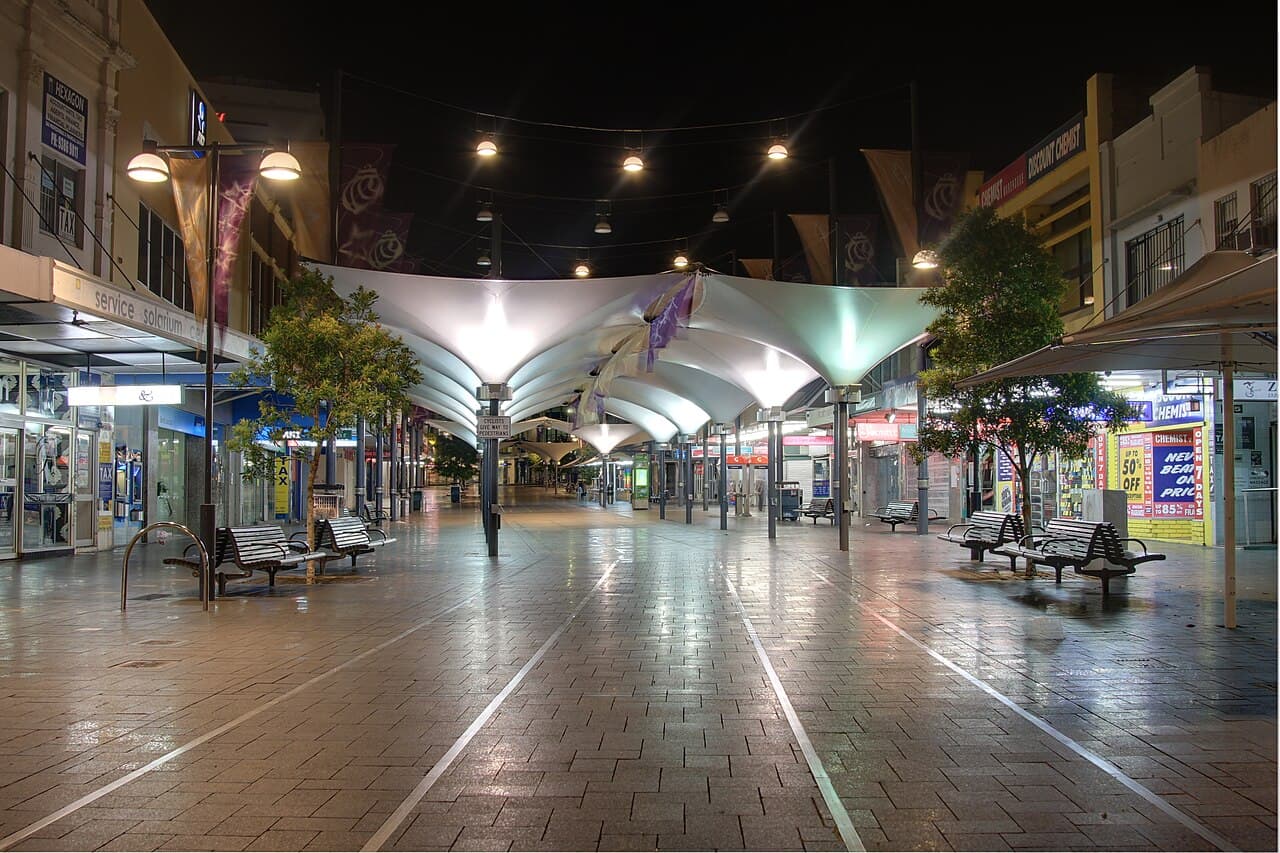
Precinct map
Centre gravity versus strip identity — pick your lane
Westfield centre
$1,800–$2,400/m²
Regional mall peaks · chain throughput
Best for: National F&B, franchise formats, high-volume operators
Oxford Street Mall
$800–$1,000/m²
Commuter lunch · Saturday spill-out
Best for: Differentiated strip dining, office-worker cafés
Office tower podium
$700–$1,100/m²
07:30–09:30 & 12:00–14:00 peaks
Best for: Grab-and-go coffee, lunch-led formats, allied health
Side-street & Bronte
$500–$780/m²
Discovery-led · lower pass-by
Best for: Boutique fitness, wellness, destination dining
Westfield foot traffic and Oxford Street walk-by volume are different systems — strip operators win by differentiation, not mall conversion rates.
Operator fit warning
Who should not open in Bondi Junction
Retailers with no answer to Westfield competition.
Food concepts relying on beach visitors without door-level proof.
Operators who cannot afford centre-style fit-out or street-level marketing.
Decision path
What are you opening?
Pick your format — the guide shows only the branch that applies to your concept.
No dedicated section for this format in the suburb guide — run an address-level analysis for restaurant, retail, or bar economics.
Why do successful venues survive here?
Weekday office-worker lunch on Oxford is the revenue engine; Saturday regional shopping is the second pillar — survivors match block to one rhythm or bridge both deliberately. The corridor is crowded with national QSR, pharmacy-backed chains, and funded hospitality groups bidding on the same visibility. Morning commuter window creates peak demand near station and towers. Lunch compresses 12:00–1:45pm from tower workers between meetings. Saturday brings regional shoppers — Westfield generates traffic, strip absorbs spill-out. Where I still see room: specialist retail or beauty.
Local competition
Who wins in Bondi Junction — and where to differentiate
Ranked from cached Google Places data near the suburb centre. Validate at your lease address before signing.
Who wins in Bondi Junction — Cafés
Ranked by success score (rating, review depth, centrality) within ~800m of the suburb centre.
What winners have in common
- ·8 of 10 top venues sit at 4.3★+ — customers reward consistent execution, not novelty alone.
- ·Review depth averages 302 — operators with under 150 reviews read as unproven next to incumbents.
- ·Typical positioning is $$ (6 venues report Google price tiers).
- ·4 benchmark operators combine 4.4★+ ratings with 150+ reviews — new entrants need a clear niche, not a me-too menu.
- 92 · Dominant
1. Savta cafe
★★★★½ 4.8 (636 reviews) · 432m from centre
- ·4.8★ with 636 reviews — repeat local demand, not one-off visits.
- ·0.4★ above the 4.4★ average among top local peers.
- ·Review volume 140% above peer average (265).
If you are opening nearby: Savta cafe is the benchmark café here — their 4.8★ and 636 reviews beat the 265-review peer average — For new entrants: Savta cafe is the benchmark café here — compete on speed, workspace utility, or an earlier breakfast daypart, not a bigger fit-out.
- 73 · Established
2. Wholegreen Bakery Bondi Junction
★★★★½ 4.5 (305 reviews) · $$ · 522m from centre
- ·4.5★ with 305 reviews — repeat local demand, not one-off visits.
- ·Mid-range positioning with strong review depth — balanced offer, not discount-led.
If you are opening nearby: 4.5★ with 305 reviews signals repeat custom, not novelty traffic — $$ positioning is validated by review depth in this catchment — For new entrants: Wholegreen Bakery Bondi Junction owns the treat-led lane — win on morning pastry-to-go, a tighter daypart, or a different indulgence tier rather than copying their dessert menu.
- 74 · Established
3. Cosmopolitan Cafe Bondi Junction
★★★★☆ 4.3 (365 reviews) · $$ · 224m from centre
- ·4.3★ and 365 reviews — customers actively recommend this café.
- ·Mid-range positioning with strong review depth — balanced offer, not discount-led.
- ·Central location (224m from suburb centre) captures pass-by and destination traffic.
If you are opening nearby: their 4.3★ and 365 reviews beat the 295-review peer average — $$ positioning is validated by review depth in this catchment — 224m from centre — frontage on the walkable strip matters.
- 83 · Dominant
4. O Superfood
★★★★½ 4.8 (167 reviews) · 111m from centre
- ·4.8★ and 167 reviews — customers actively recommend this café.
- ·0.4★ above the 4.4★ average among top local peers.
- ·Central location (111m from suburb centre) captures pass-by and destination traffic.
If you are opening nearby: O Superfood (Dominant) shows what execution looks like at this score tier — 4.8★ with 167 reviews signals repeat custom, not novelty traffic — 111m from centre — frontage on the walkable strip matters.
- 76 · Established
5. WA
★★★★½ 4.5 (231 reviews) · $$ · 157m from centre
- ·4.5★ with 231 reviews — repeat local demand, not one-off visits.
- ·Mid-range positioning with strong review depth — balanced offer, not discount-led.
- ·Central location (157m from suburb centre) captures pass-by and destination traffic.
If you are opening nearby: 4.5★ with 231 reviews signals repeat custom, not novelty traffic — $$ positioning is validated by review depth in this catchment — 157m from centre — frontage on the walkable strip matters.
Who wins in Bondi Junction — Restaurants
Ranked by success score (rating, review depth, centrality) within ~1000m of the suburb centre.
What winners have in common
- ·6 of 10 top venues sit at 4.3★+ — customers reward consistent execution, not novelty alone.
- ·Review depth averages 578 — operators with under 150 reviews read as unproven next to incumbents.
- ·Typical positioning is $$ (9 venues report Google price tiers).
- ·5 benchmark operators combine 4.4★+ ratings with 150+ reviews — new entrants need a clear niche, not a me-too menu.
- 82 · Dominant
★★★★½ 4.6 (1,798 reviews) · $$$ · 939m from centre
- ·4.6★ with 1,798 reviews — repeat local demand, not one-off visits.
- ·0.4★ above the 4.2★ average among top local peers.
- ·Review volume 306% above peer average (442).
If you are opening nearby: Chiswick Woollahra is the benchmark restaurant here — their 4.6★ and 1,798 reviews beat the 442-review peer average — $$$ positioning is validated by review depth in this catchment.
- 90 · Dominant
2. Savta cafe
★★★★½ 4.8 (636 reviews) · 432m from centre
- ·4.8★ with 636 reviews — repeat local demand, not one-off visits.
- ·0.6★ above the 4.2★ average among top local peers.
If you are opening nearby: Savta cafe (Dominant) shows what execution looks like at this score tier — 4.8★ with 636 reviews signals repeat custom, not novelty traffic — For new entrants: Avoid cuisine overlap with Savta cafe — target an occasion they do not own (quick lunch, date night, or group dining).
- 78 · Dominant
★★★★☆ 4.2 (622 reviews) · $ · 164m from centre
- ·4.2★ and 622 reviews — customers actively recommend this restaurant.
- ·Value-tier pricing with high volume — wins on convenience and price, not premium experience.
- ·Central location (164m from suburb centre) captures pass-by and destination traffic.
If you are opening nearby: Mappen - Bondi Junction (Dominant) shows what execution looks like at this score tier — 4.2★ with 622 reviews signals repeat custom, not novelty traffic — $ positioning is validated by review depth in this catchment — 164m from centre — frontage on the walkable strip matters.
- 71 · Established
4. Sushi Train Bondi Junction
★★★★☆ 4.3 (446 reviews) · $$ · 181m from centre
- ·4.3★ and 446 reviews — customers actively recommend this restaurant.
- ·Mid-range positioning with strong review depth — balanced offer, not discount-led.
- ·Central location (181m from suburb centre) captures pass-by and destination traffic.
If you are opening nearby: 4.3★ with 446 reviews signals repeat custom, not novelty traffic — $$ positioning is validated by review depth in this catchment — 181m from centre — frontage on the walkable strip matters.
- 70 · Established
5. Wholegreen Bakery Bondi Junction
★★★★½ 4.5 (305 reviews) · $$ · 522m from centre
- ·4.5★ with 305 reviews — repeat local demand, not one-off visits.
- ·0.3★ above the 4.2★ average among top local peers.
- ·Mid-range positioning with strong review depth — balanced offer, not discount-led.
If you are opening nearby: 4.5★ with 305 reviews signals repeat custom, not novelty traffic — $$ positioning is validated by review depth in this catchment — For new entrants: Avoid cuisine overlap with Wholegreen Bakery Bondi Junction — target an occasion they do not own (quick lunch, date night, or group dining).
Possible market opportunities
Derived from venue counts and formats in our Google Places snapshot — not a guarantee of demand at your exact address.
- Medium confidenceTourist-friendly lunch spot with local produce story
Reason: Tourism dependency is elevated — visitors want authentic local food without fine-dining price tags.
Who wins in Bondi Junction — Retail
Ranked by success score (rating, review depth, centrality) within ~1500m of the suburb centre.
What winners have in common
- ·Review depth averages 494 — operators with under 150 reviews read as unproven next to incumbents.
- ·No single venue dominates on both rating and review depth — the category may still be contestable.
- ·Most winners sit within 400m of the suburb centre — frontage on the walkable strip matters.
- 78 · Dominant
★★★★☆ 4.1 (1,916 reviews) · $ · 32m from centre
- ·4.1★ rating beats the typical retail baseline in this catchment.
- ·Review volume 470% above peer average (336).
- ·Value-tier pricing with high volume — wins on convenience and price, not premium experience.
If you are opening nearby: Kmart Bondi Eastgate is the benchmark retail here — $ positioning is validated by review depth in this catchment — 32m from centre — frontage on the walkable strip matters.
- 68 · Established
2. Myer Bondi
★★★½☆ 3.9 (1,498 reviews) · 370m from centre
- ·1,498 reviews place it on the local shortlist even where ratings are mixed.
- ·Review volume 292% above peer average (382).
If you are opening nearby: 370m from centre — frontage on the walkable strip matters — For new entrants: A service-heavy or experiential retail concept can win where product-only formats like Myer Bondi look interchangeable.
- 73 · Established
★★★★☆ 4.0 (877 reviews) · 200m from centre
- ·4.0★ rating beats the typical retail baseline in this catchment.
- ·Review volume 94% above peer average (451).
- ·Central location (200m from suburb centre) captures pass-by and destination traffic.
If you are opening nearby: 200m from centre — frontage on the walkable strip matters — For new entrants: A service-heavy or experiential retail concept can win where product-only formats like Spotlight Bondi Junction look interchangeable.
- 67 · Established
4. Reads of Woollahra Reads Online
★★★★½ 4.8 (96 reviews) · 951m from centre
- ·4.8★ and 96 reviews — customers actively recommend this retail.
- ·0.8★ above the 4.0★ average among top local peers.
If you are opening nearby: 4.8★ with 96 reviews signals repeat custom, not novelty traffic — For new entrants: A service-heavy or experiential retail concept can win where product-only formats like Reads of Woollahra Reads Online look interchangeable.
- 66 · Established
5. Partyland
★★★★☆ 4.1 (162 reviews) · 147m from centre
- ·4.1★ rating beats the typical retail baseline in this catchment.
- ·Central location (147m from suburb centre) captures pass-by and destination traffic.
If you are opening nearby: 147m from centre — frontage on the walkable strip matters — For new entrants: A service-heavy or experiential retail concept can win where product-only formats like Partyland look interchangeable.
What mistakes do new operators make?
Street operators need to know whether Westfield is an anchor or a competitor.
Here's what would stop me signing a lease
Retailers with no answer to Westfield competition.
Would I personally invest here?
I would only recommend this with moderate confidence — clear differentiation from Westfield, weekday revenue engine, and strip rent calibrated to office-worker trade not mall foot traffic.
I would back specialist retail or beauty — or walk away. I would not model strip revenue on Westfield foot-traffic counts, and I would not sign Oxford prime expecting mall-grade Saturday volume. Bondi Junction pays off when your unit economics survive a compressed lunch peak and you still win dinner against Paddington and Double Bay — otherwise premium rent buys footfall you cannot convert to margin. Only if your model clears 64/100 with explicit weekday lunch capture and lane matched to format.
Sense-check suburb-level margin before you sign — café score 64/100 supports shortlisting the lane, but Oxford versus Westfield rent, weekday lunch capture, and Savta-scale competition at your door determine whether the P&L works.
Bondi Junction can work at suburb level for the right concept with centre-versus-strip differentiation. Leases fail on lane mismatch — Westfield mall throughput, Oxford office lunch, tower commuter window, and side-street discovery are four environments. The next decision is not "Should I open in Bondi Junction?" It is "Should I open at this address?"
Format-by-format depth, comparisons, and FAQsExpand for zones, rent bands, trading windows, format depth, comparisons, and due-diligence FAQs.
Check an address in Bondi Junction
Bondi Junction looks workable at suburb level for some formats. Your lease still needs demand, competition and rent fit at a specific frontage — not the suburb average.
Analyse a Bondi Junction address free